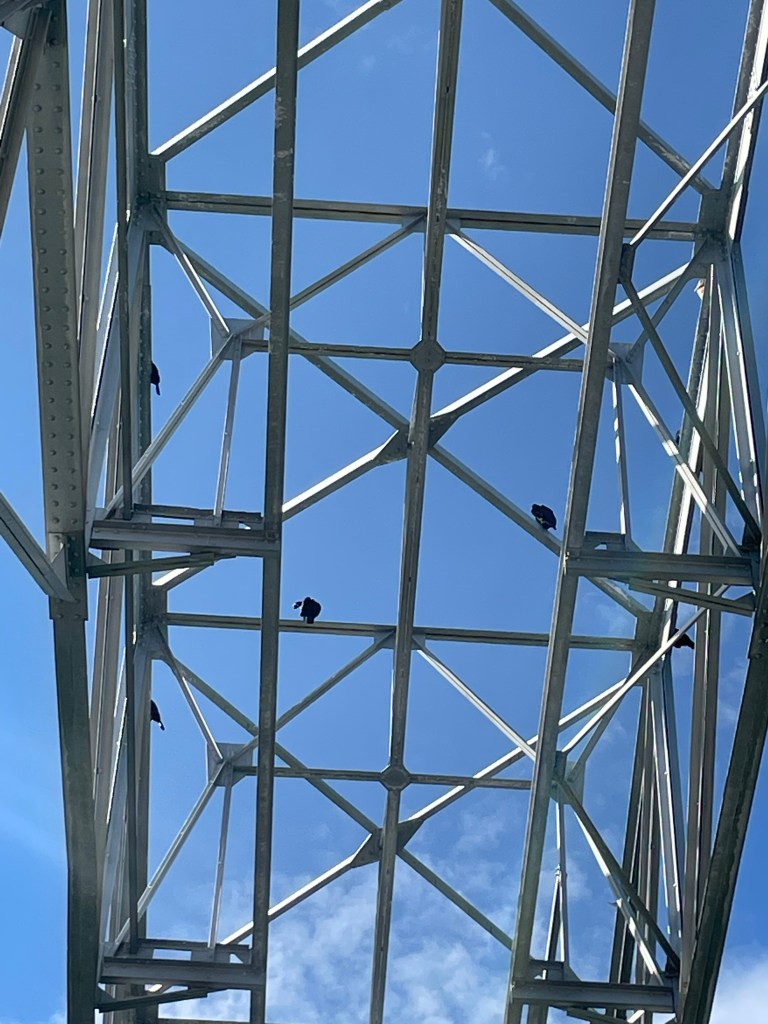
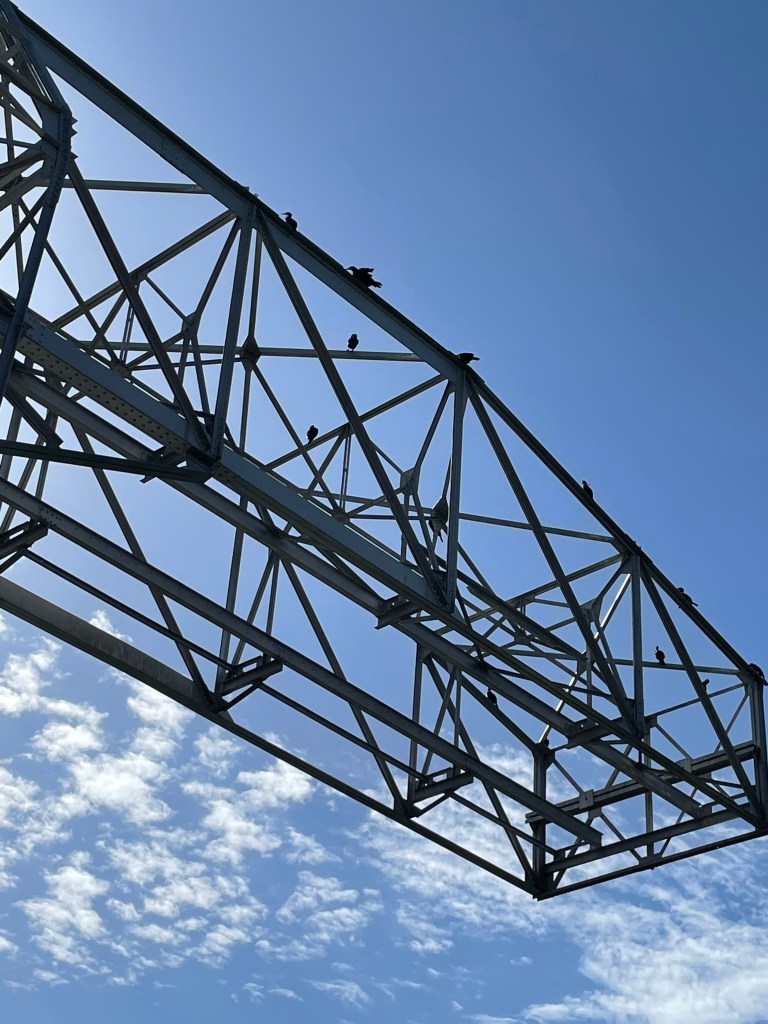
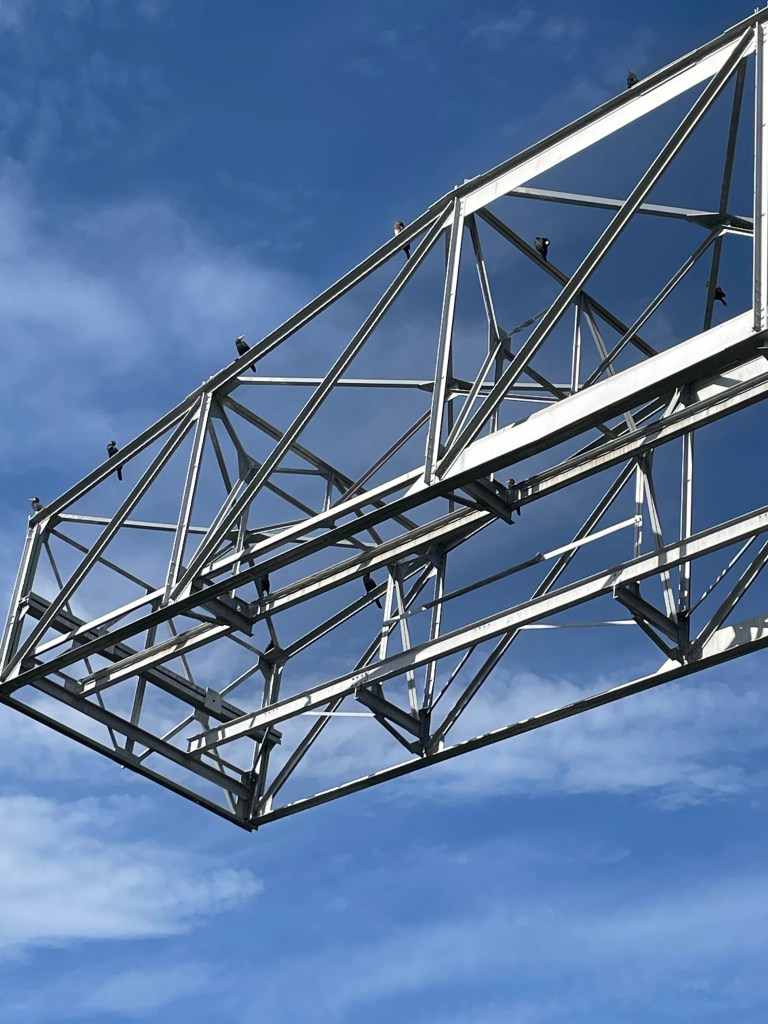
When I first arrived in Lyon there were cormorants – les cormorans – everywhere. Then in the summer months they vanished.
But now they are back.
Moving to France and adapting to life in Lyon
When I first arrived in Lyon there were cormorants – les cormorans – everywhere. Then in the summer months they vanished.
But now they are back.
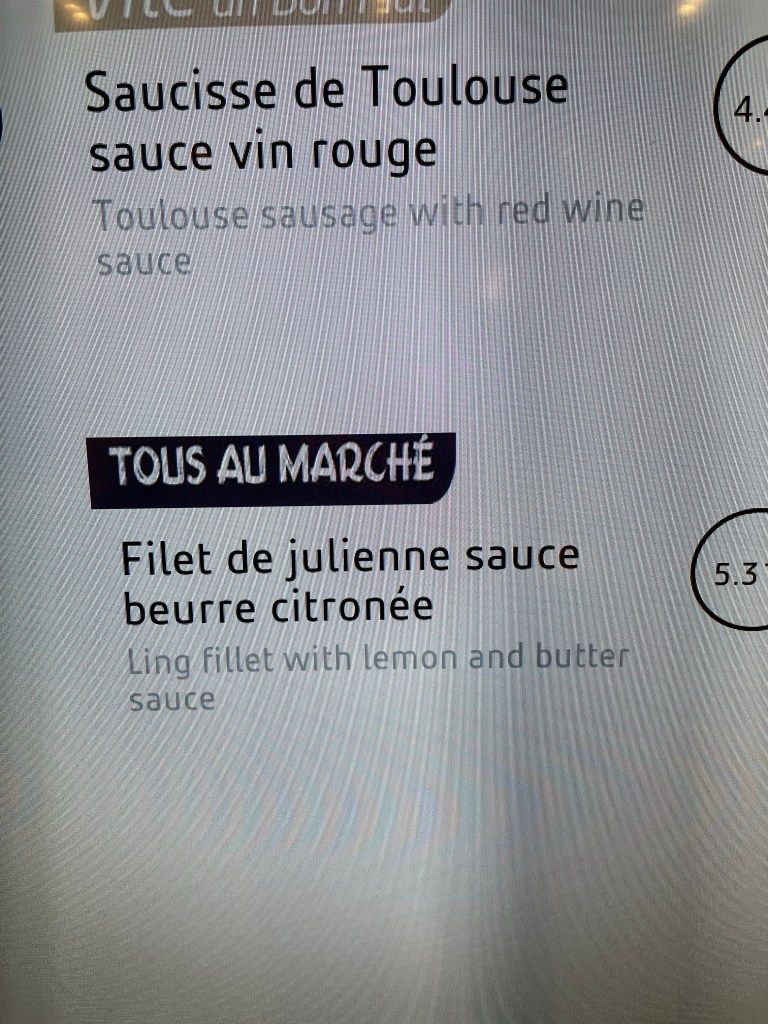
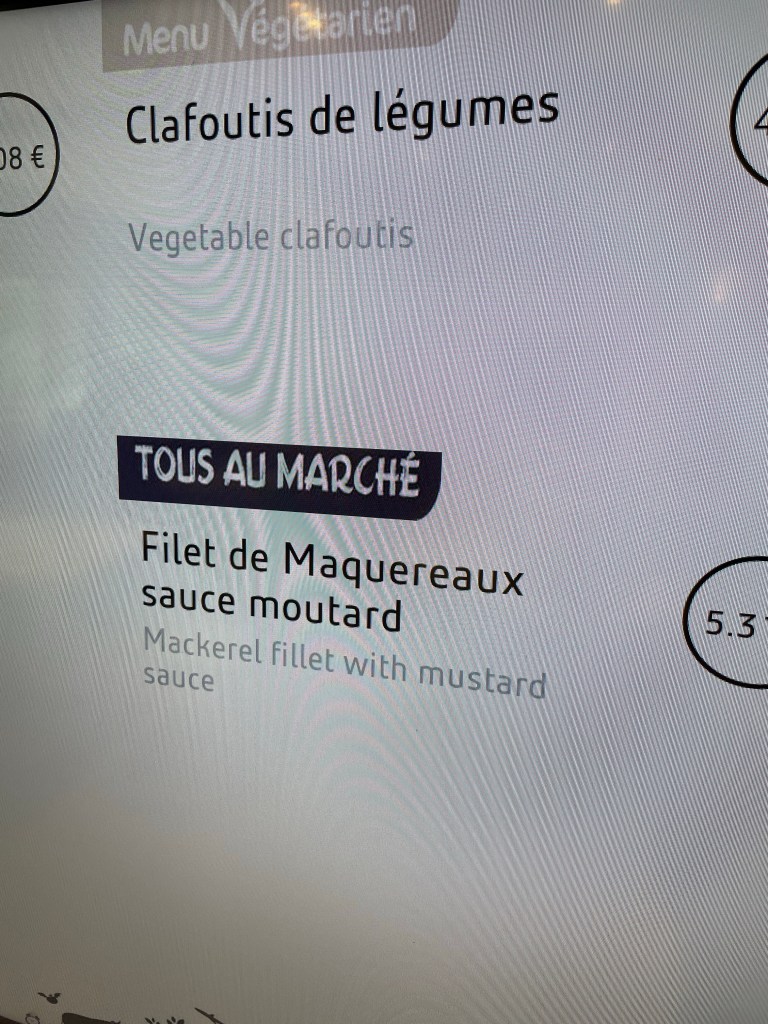
Another day, another new fish. Filet de julienne sounds quite enticing.
Ling fillet a bit less so.
Today was my fourth and final day of Formation Civique. I had chosen the socio-culturelle option and we were told to bring a packed lunch so I was hopeful it would be some sort of field trip.
There were 18 of us and we started off by talking about culture and words in our native languages that were used in French.
We then learnt some words used in Lyon:
We did some quizzes on history, gastronomy and politics and then it was time for lunch.
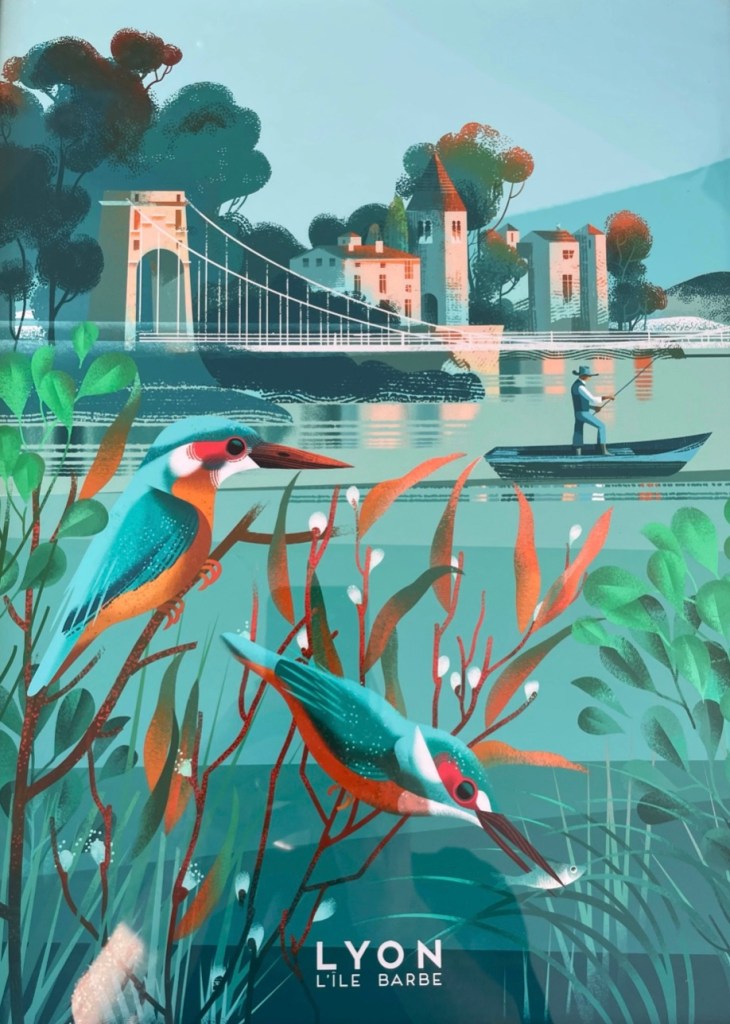
As it was a lovely sunny day, I ate on the banks of the Saône and enjoyed watching the rowers – les rameurs – go past. Then – joy of joys – a martin pêcheur landed on the branch of a tree in front of me.

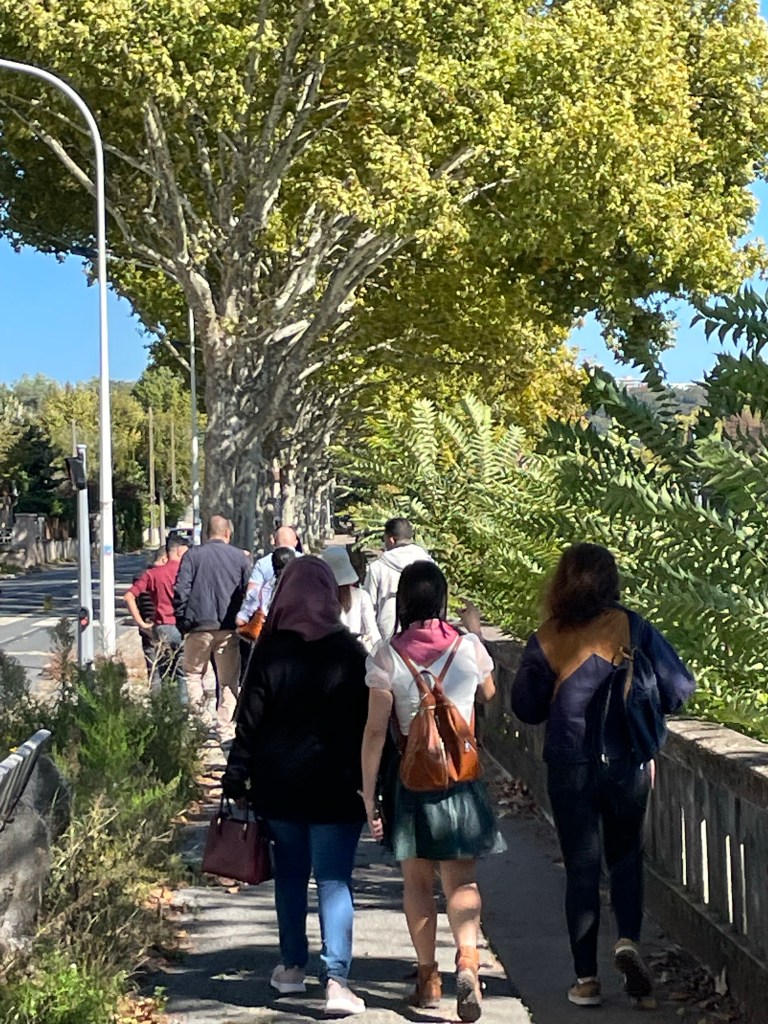
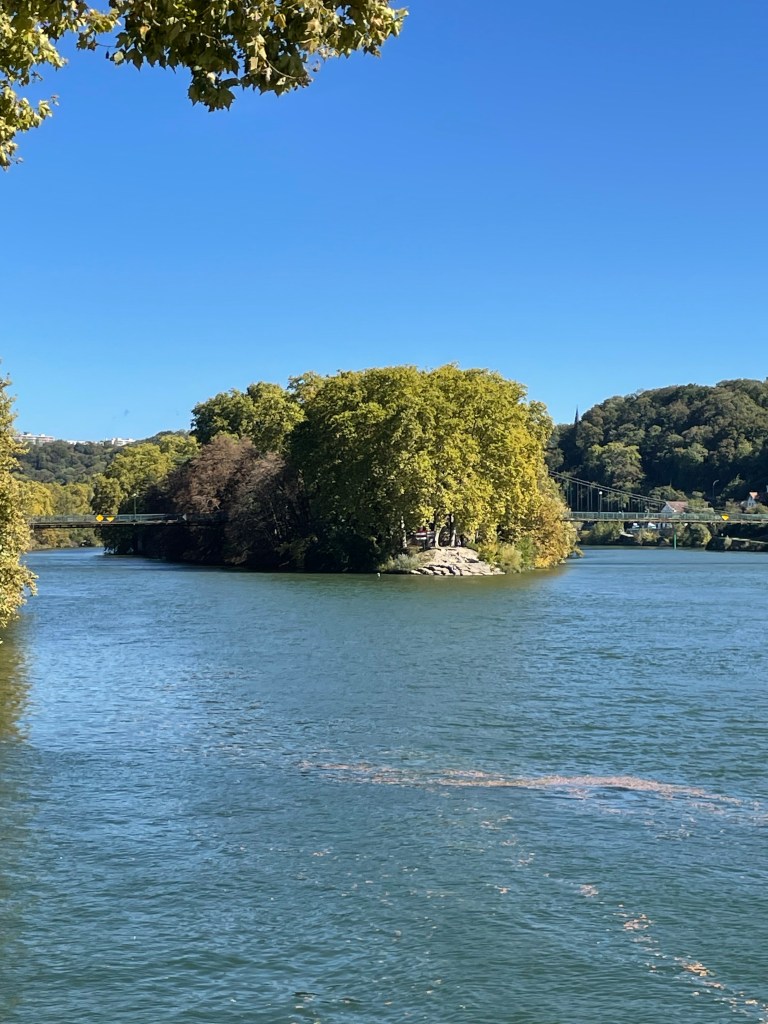
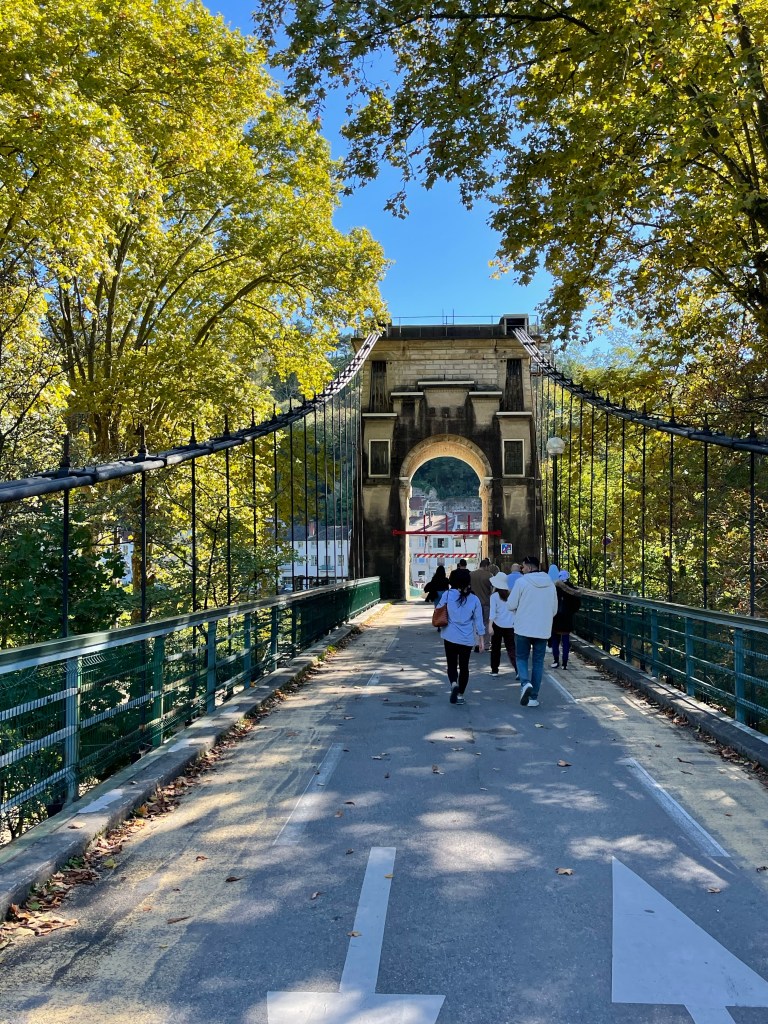
After lunch we went on a trip to L’Ile Barbe – a beautiful island in the Saône which once had one of the oldest monasteries in France on it. The Revolution put paid to that.

When we returned to the classroom there was a spot of karaoke as we sang two songs by Charles Aznavour – well, the rest of the group did. I couldn’t join in as I didn’t know Emmenez-moi or La Boheme. And then, just like that, my formation civique was over. Four days of training which means you can stay in France longer when your one-year visa runs out. It also helps if one day you want to apply for French citizenship.
I now know to call the paramedics dial 15, the police 17 and les pompiers 18.
I’ve learnt that France is 672m square kms with a population of 67m. I’ve learnt about the number of regions (18) and departments (101) and Communes (35,000). A bit about Clovis I and Francois I and Henri IV.
Not sure that should have taken four days but hey-ho, it’s done now. C’est terminé.
Today’s bird count: 1 kingfisher, 2 yellow wagtails, a buzzard, 2 cormorants, 2 black-headed gulls.
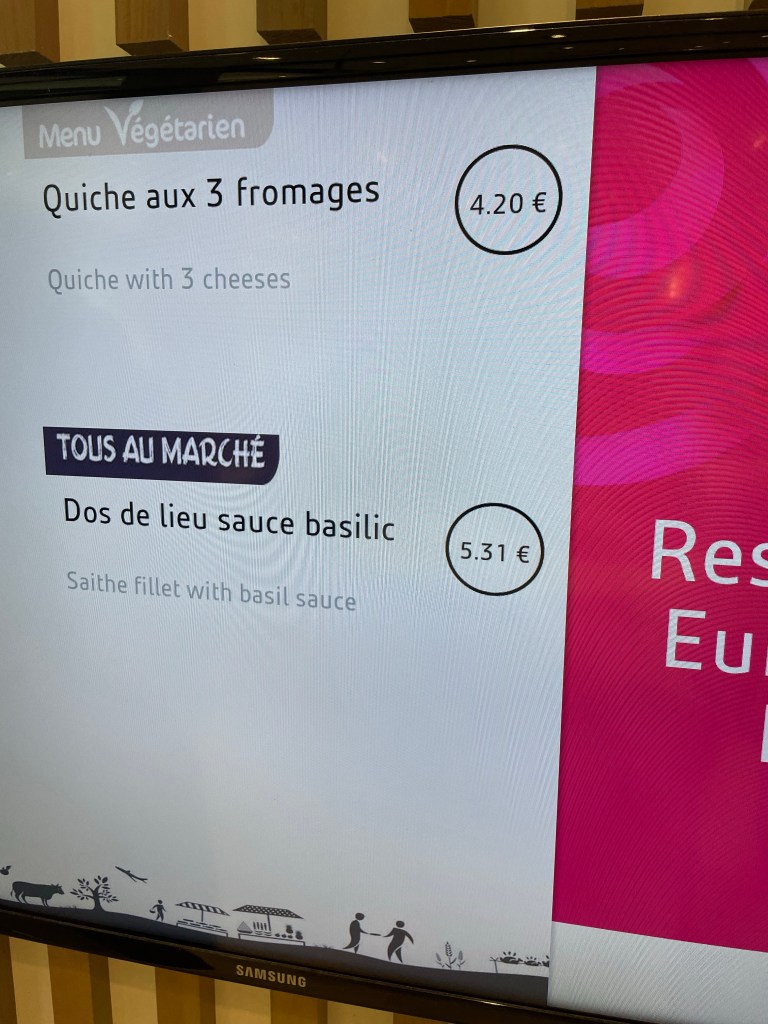
One of the many difficult aspects of learning French is the names for different types of fish. There is a fish option every day in the office canteen but one of the problems is what the fish name means – both in French and English!
For example lieu is Saithe? What? Apparently part of the pollack family.
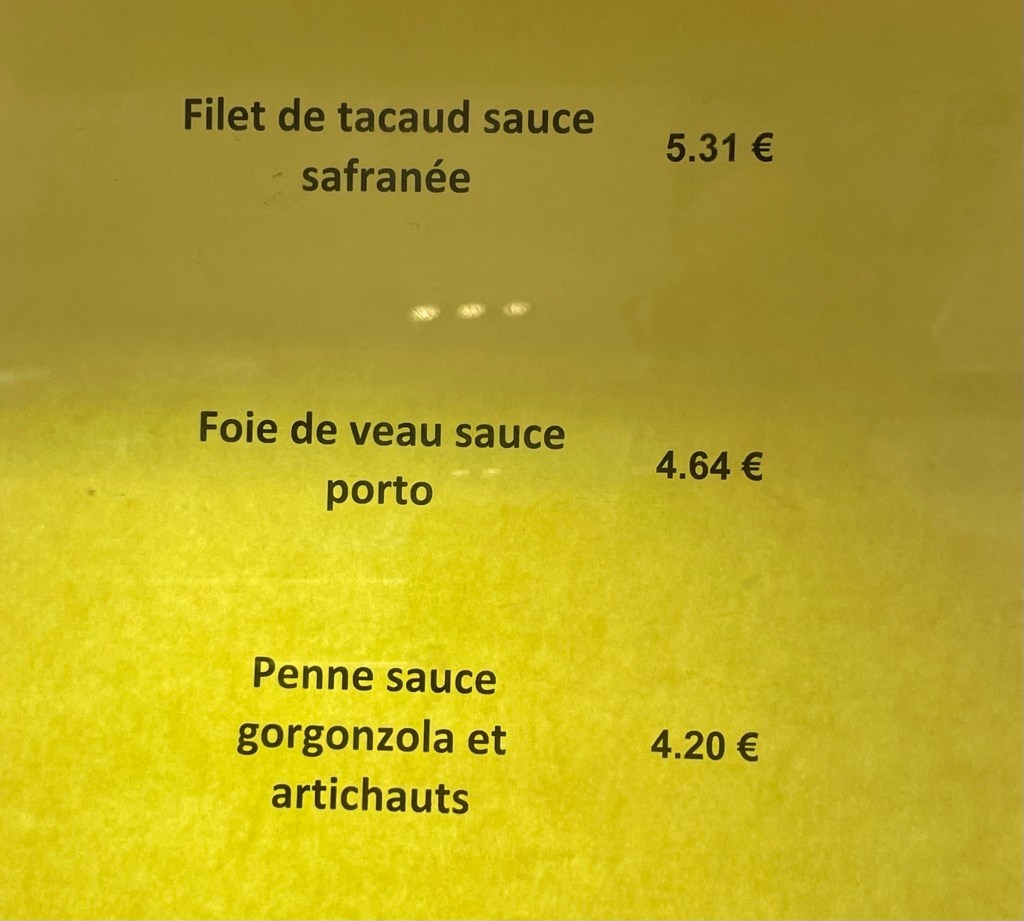
Tacaud is whiting. Not sure I know what a whiting is apart from the fact that one once said: “Will you walk a little faster,” said a whiting to a snail. “There’s a porpoise close behind us and he’s treading on my tail.”
Then there’s Colin. Is it Coley? Or pollack again?
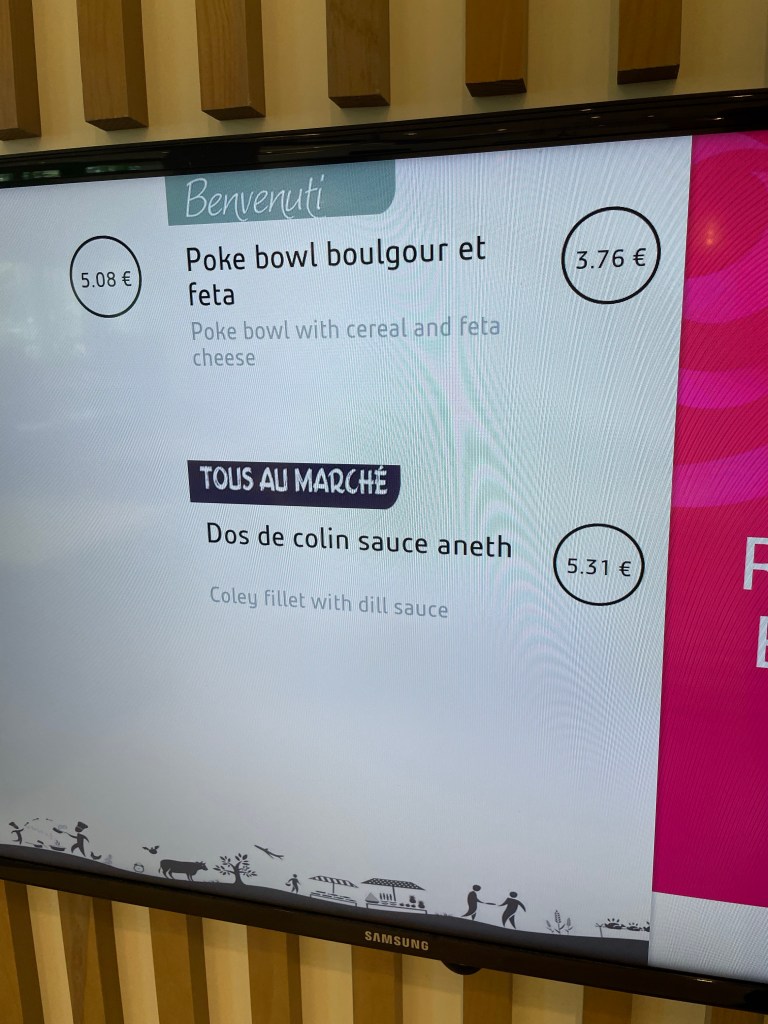
I see I am not alone in my confusion – although now I’m even more confused as I thought I was safe in the knowledge that merlu was hake.
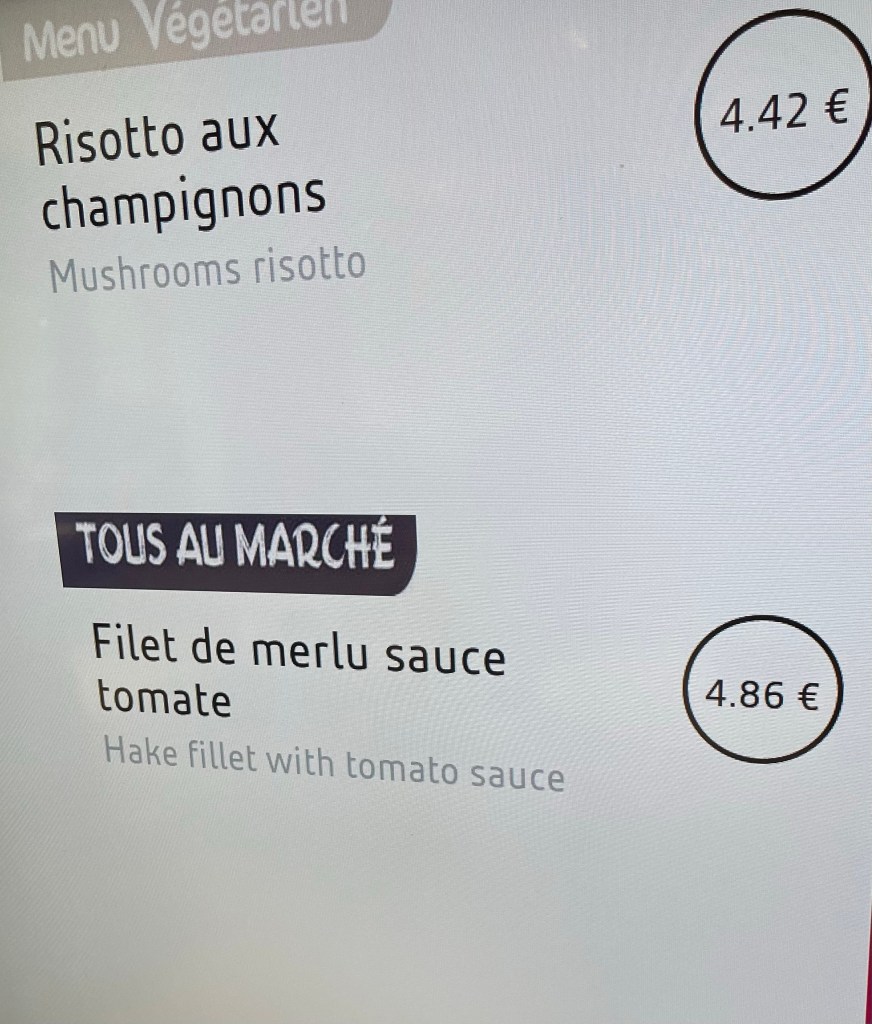
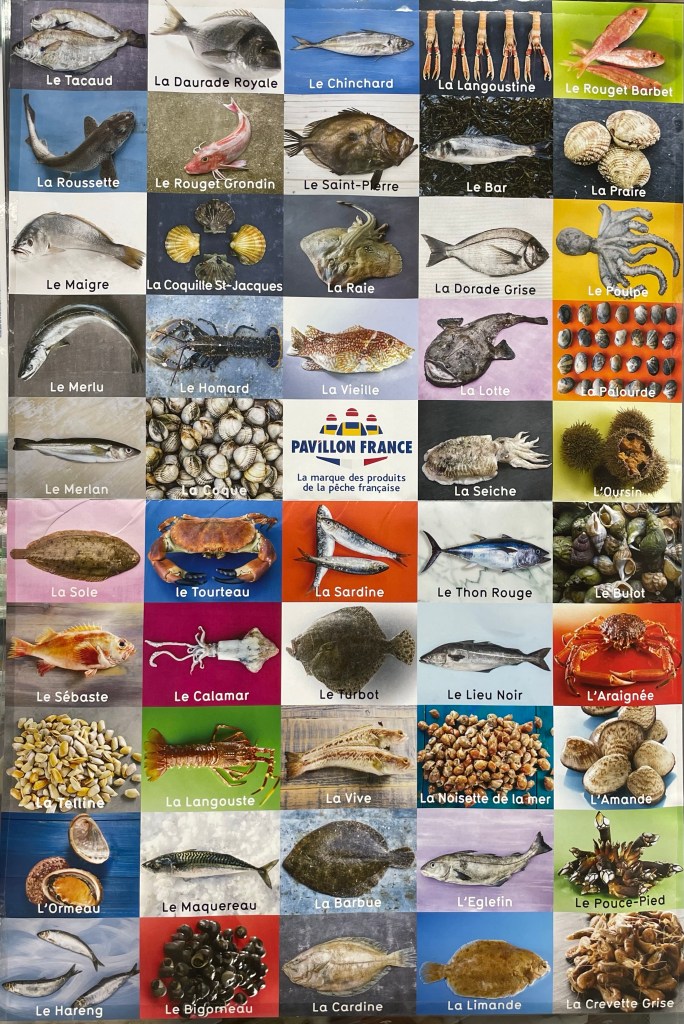
At least some are more straightforward.
And if in doubt, you can always consult the fish list in your local supermarché.
Another lunchtime stroll and another encounter with a local pêcheur. This one hadn’t caught un grand poisson like last time. In fact, quite the opposite.
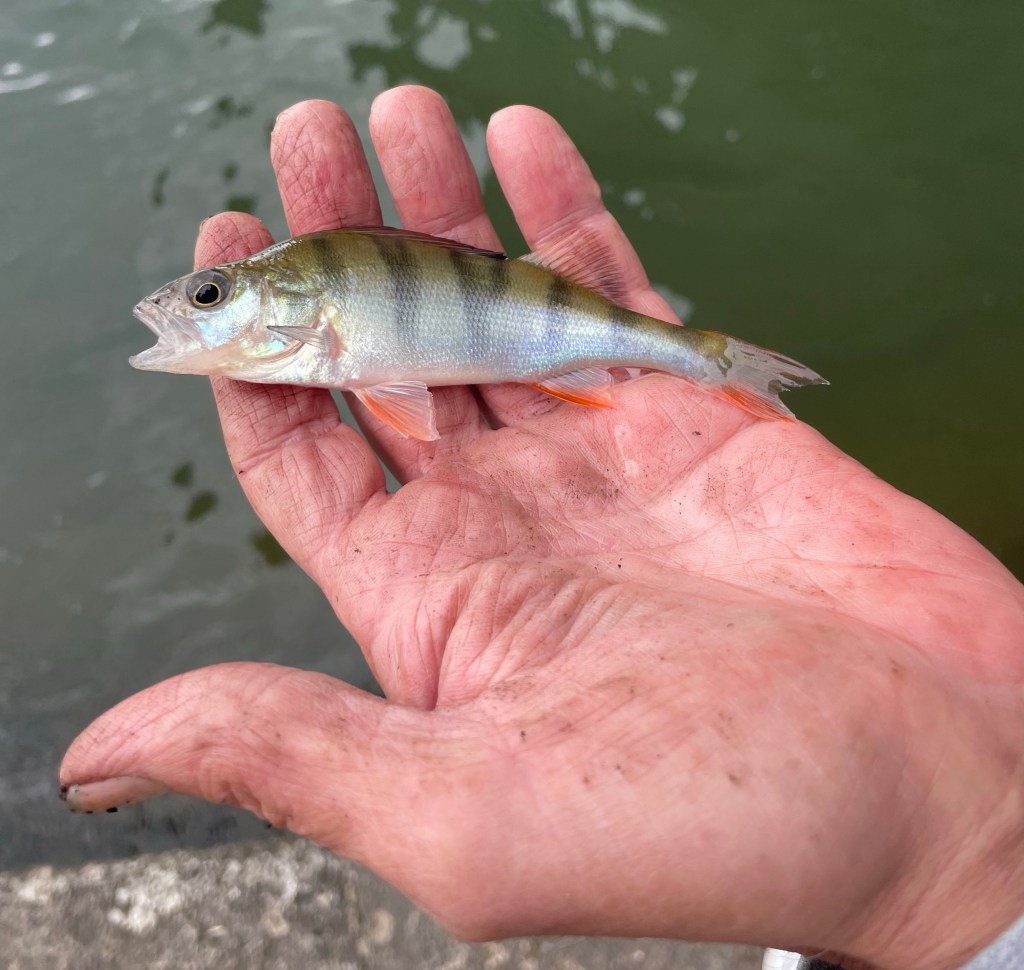
It was a beautiful little perch – with gorgeous red fins. The fisherman threw it back so it’s another Lyon fish that lives to fight another day.
We were in Presqu’Ile on Saturday and we stumbled across another traboule. It would be rude not to.
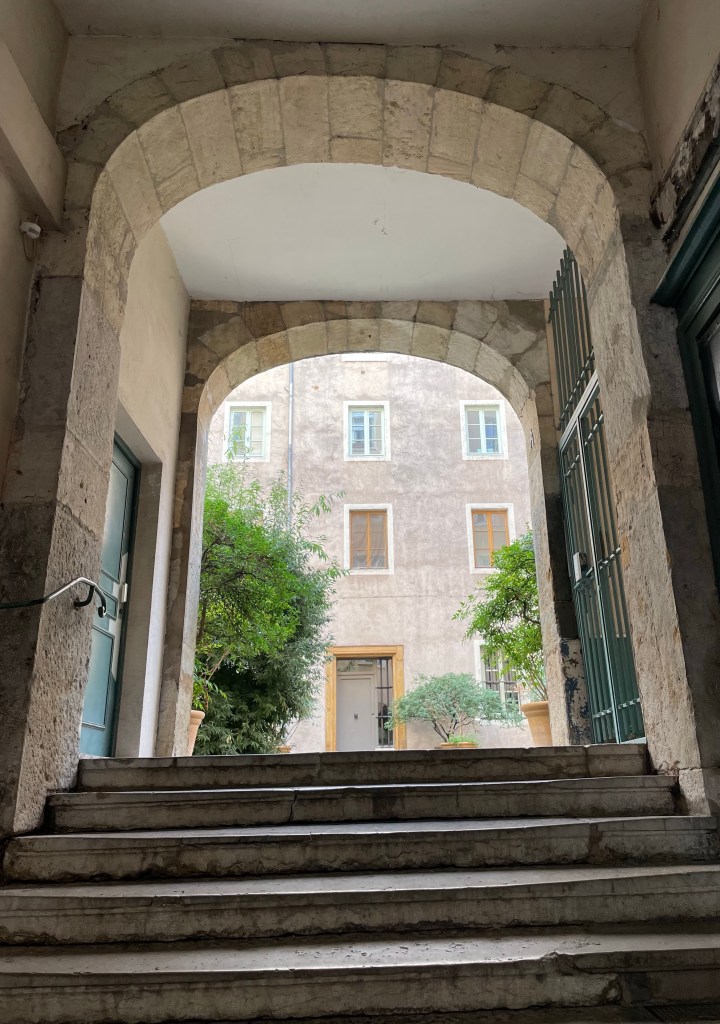
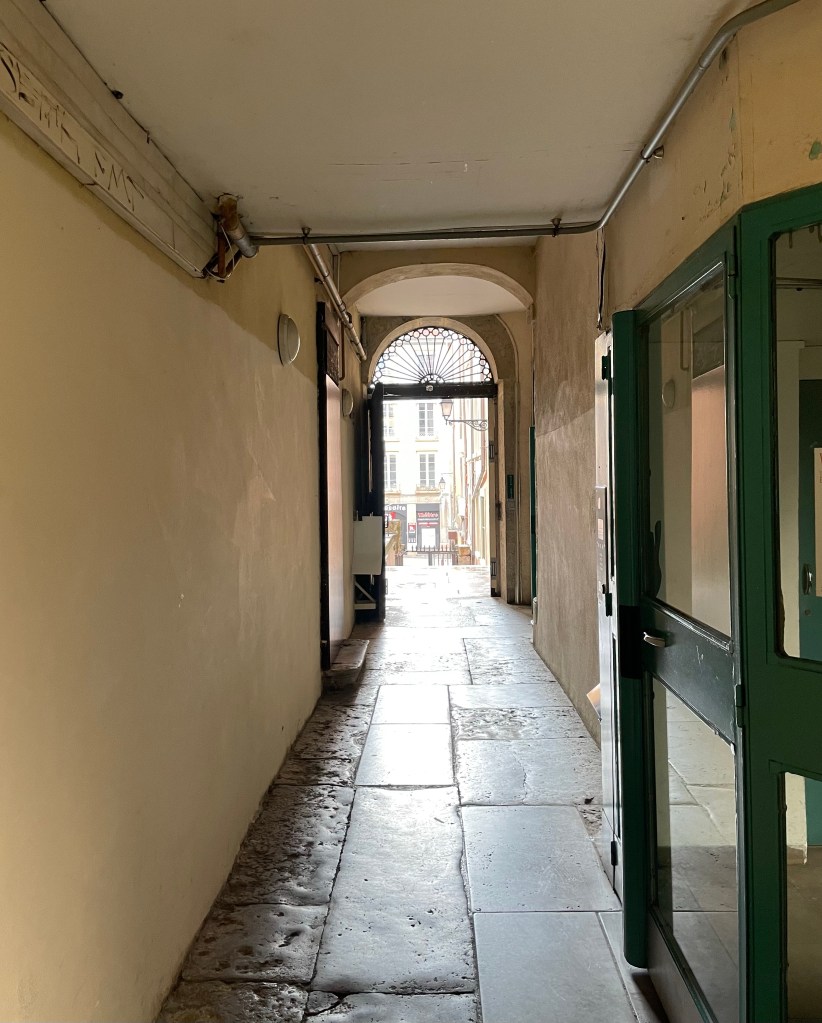

Wooahh- qu’est-ce que c’est ça dans la cour?
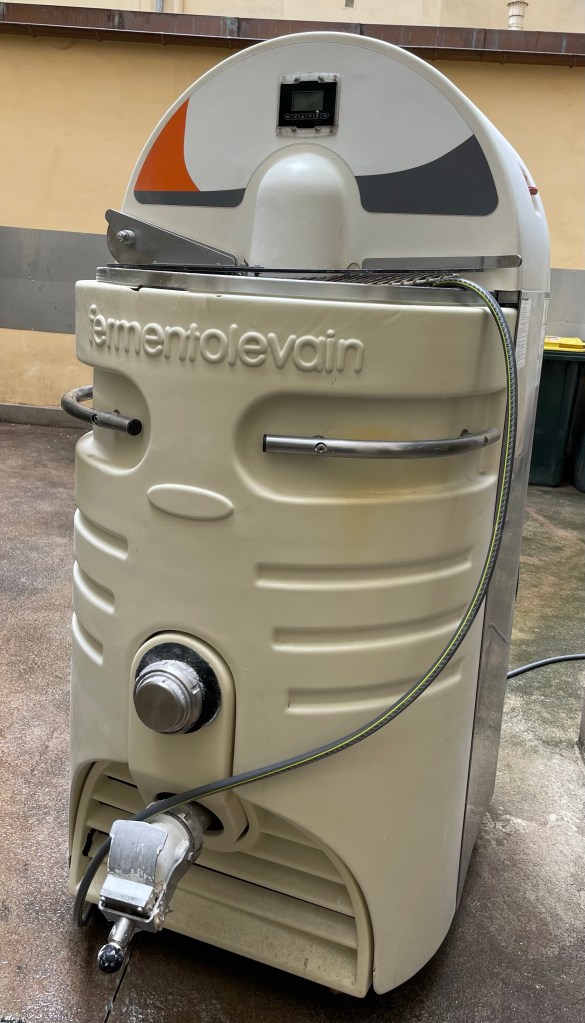
Turns out it’s this – a piece of bakery machinery. This is what happens I guess when you live above a boulangerie.
It results in bread with a crunchy crust, irregular air cell structure and a creamy colour which give it a more rustic feel, reminiscent of old-style bread.
It’s like the Great British Bake Off living here, honestly.
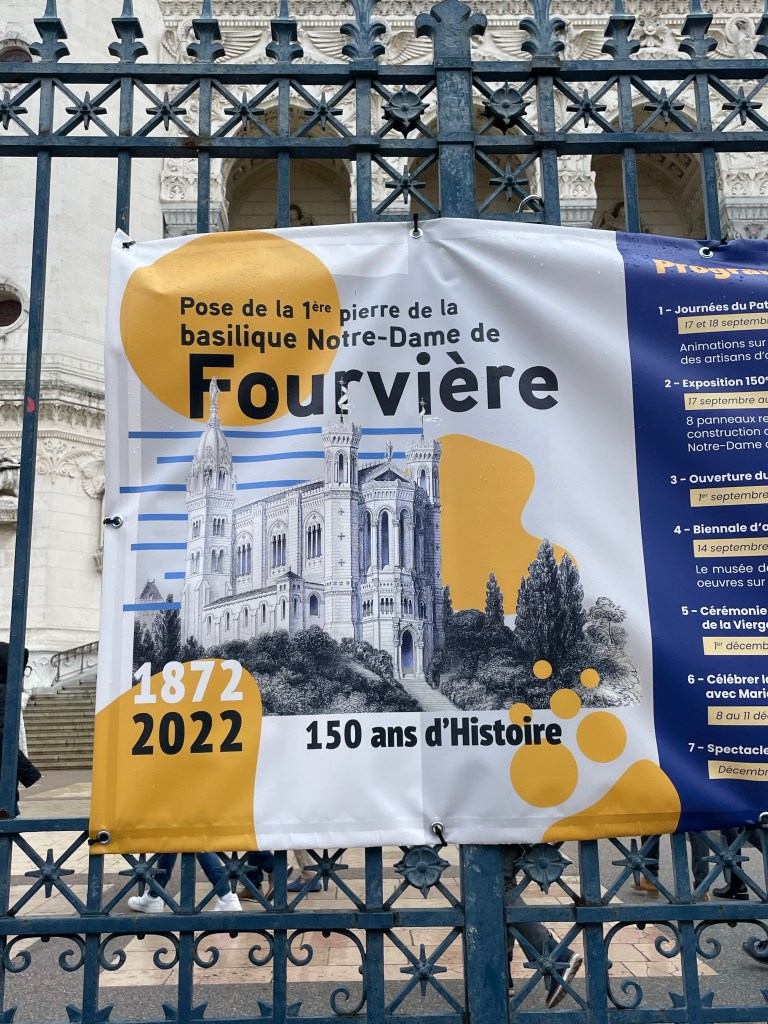
We went up to Notre Dame de Fourviere to show Olivier, Hanna and Alma the cathedral and the view. Unfortunately it was raining so the view wasn’t great.
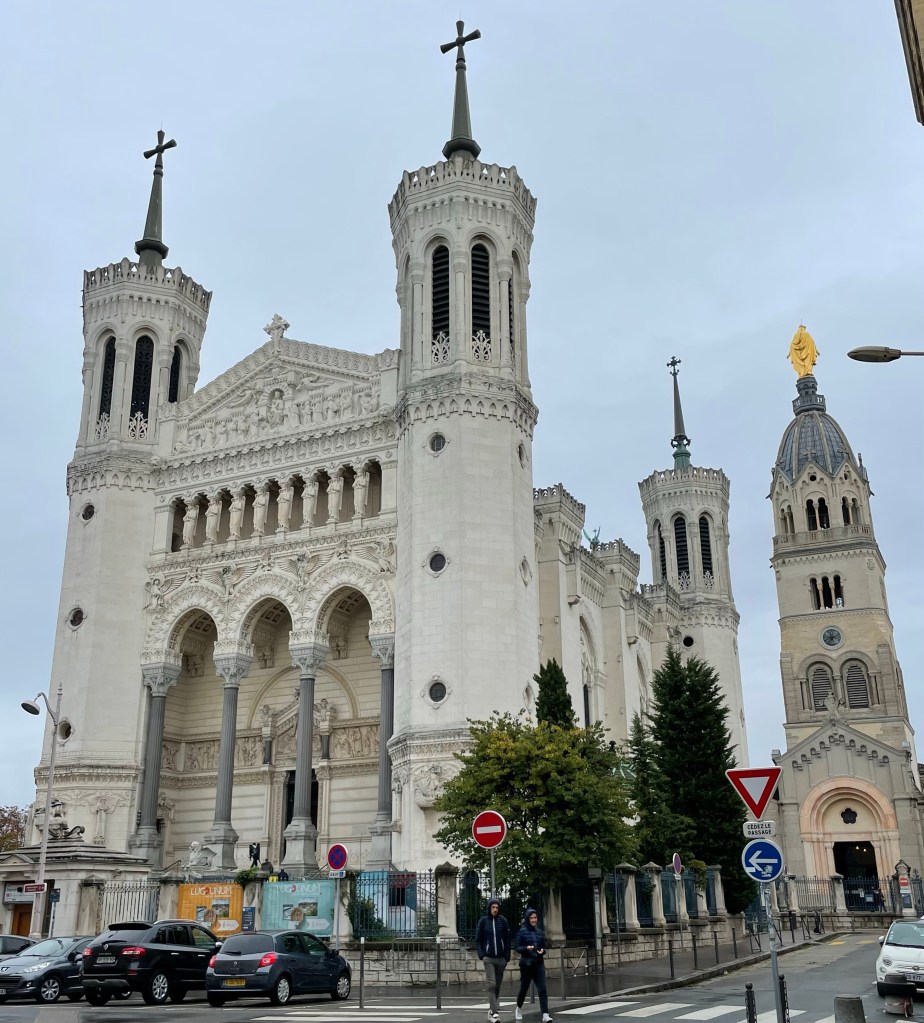

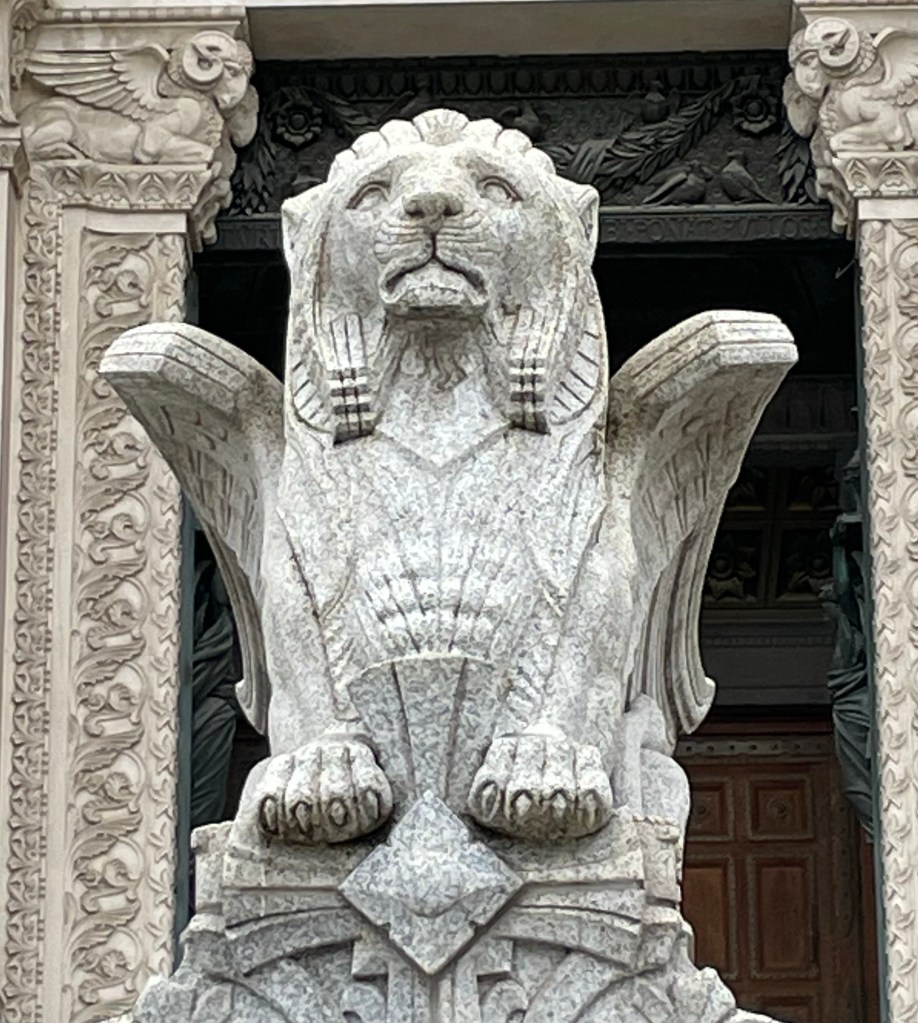
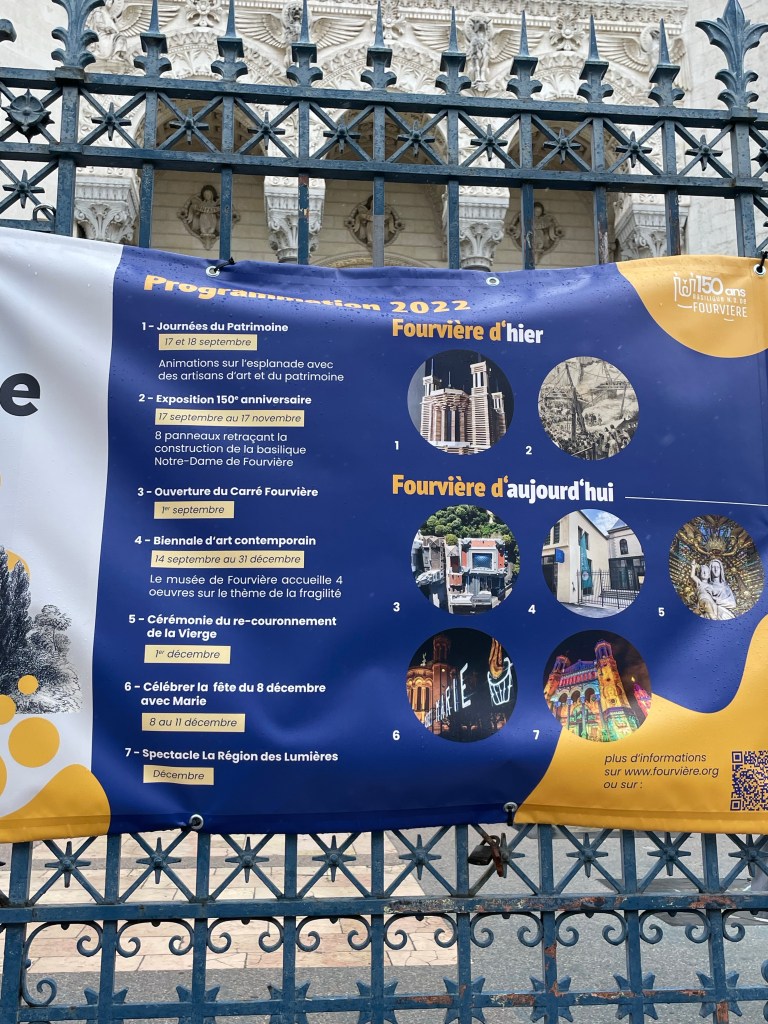
And then we saw this – Fourvière’s 150th anniversary is this year.
Might be worth coming back for the recrowning of la vierge Marie.
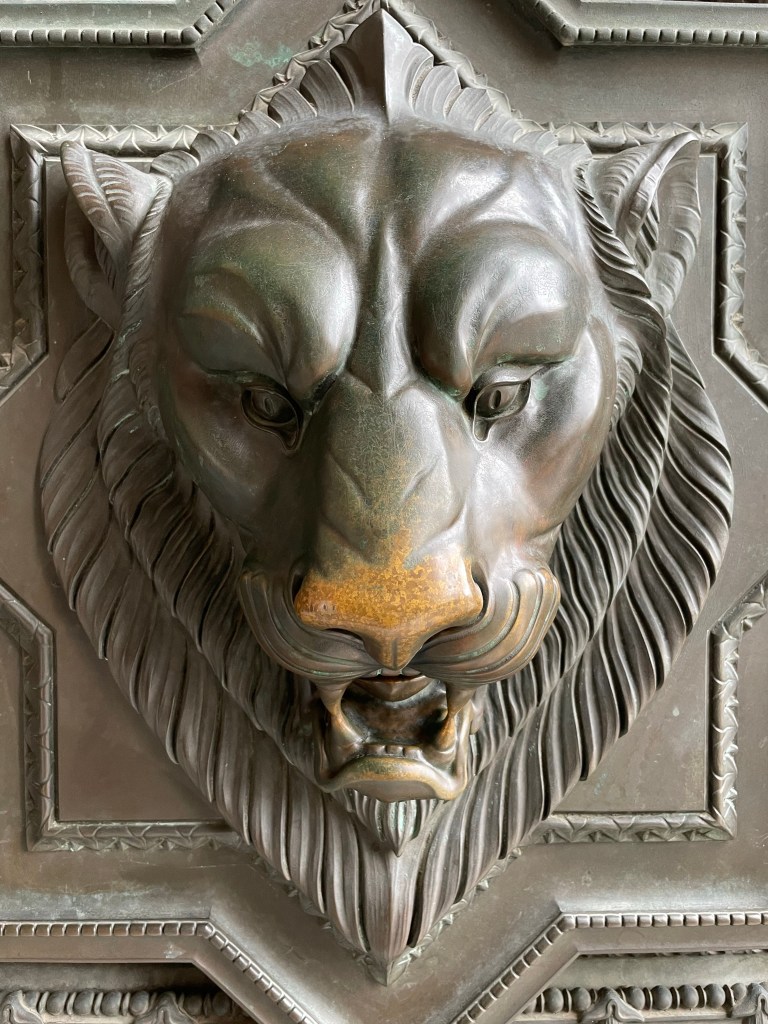
 Thrown to (the) Lyon