I read this in the Times this morning about how France is on a high state of alert this New Year.
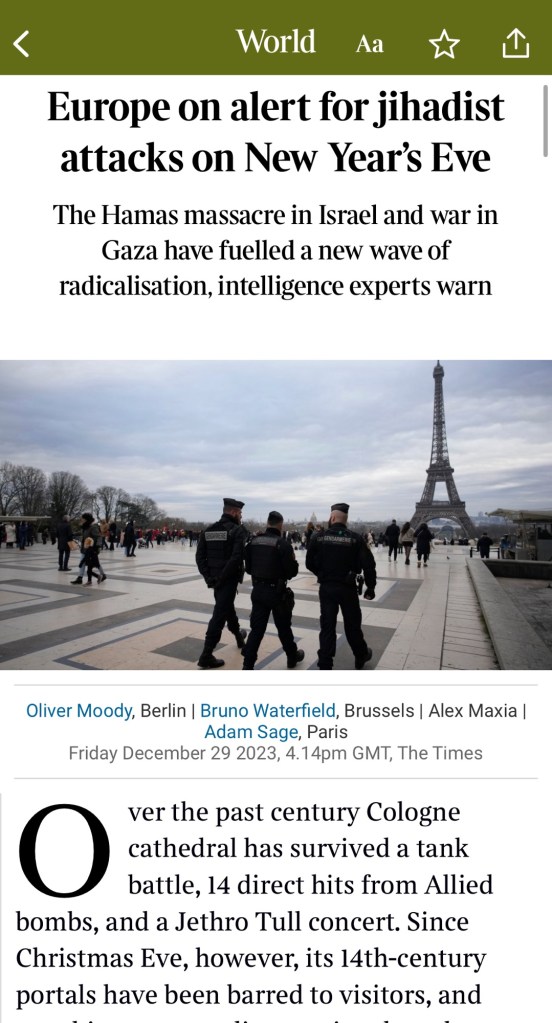
Maybe that explains the policing we saw in central Lyon.

Moving to France and adapting to life in Lyon
I read this in the Times this morning about how France is on a high state of alert this New Year.
Maybe that explains the policing we saw in central Lyon.
I’ve just finished reading Jean de Florette by Marcel Pagnol.
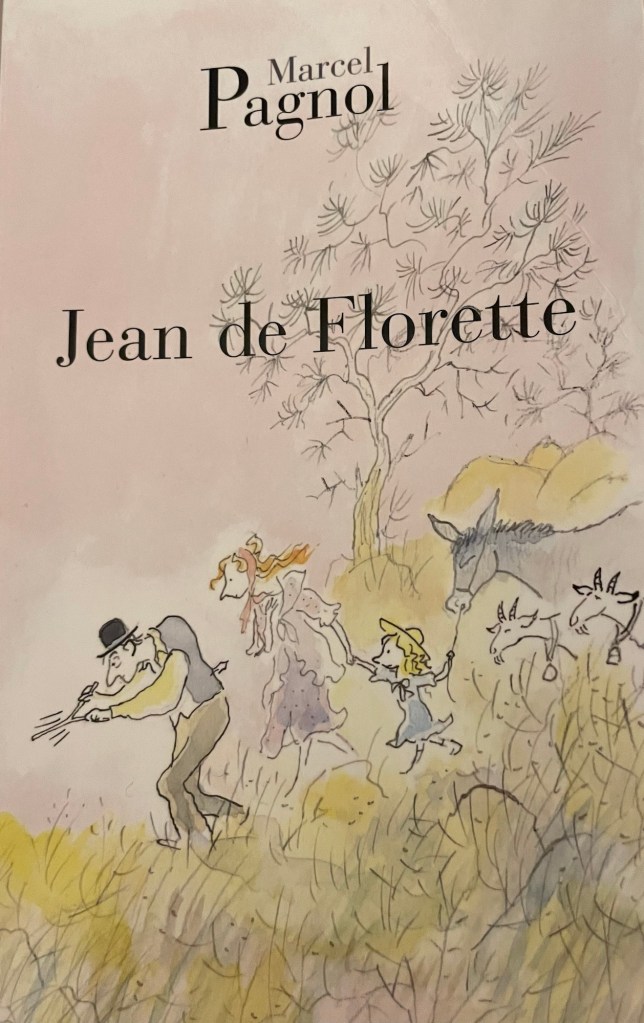
Set in the mountains above Aubagne , it tells the story of the fight for water in Provence and what it drives men to do.
Having read the book we have now watched the film.
I learnt lots of new words but my favourite line is said by the evil Papet played by Yves Montand in the film:
Quand on a commencé d’étrangler le chat, il faut le finir.
Cesar Soubeyran
Nice!
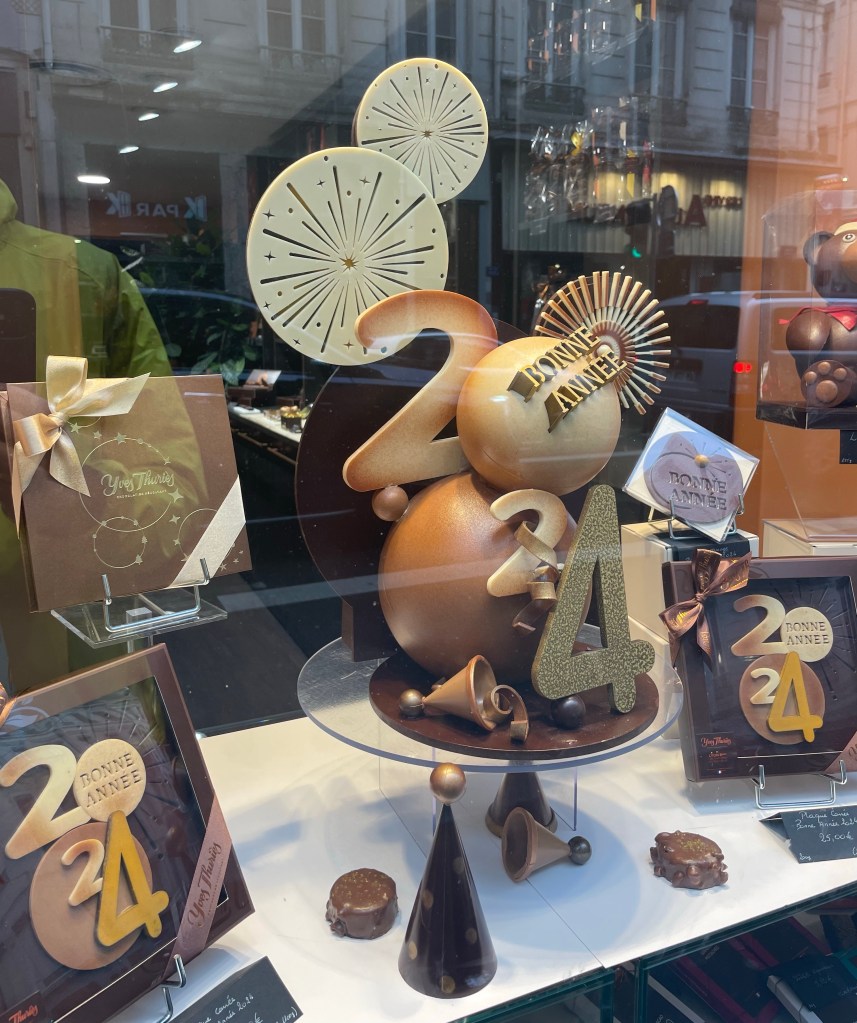
It seems to me if you want to know what time of the year it is, you just need to look at the vitrines in the chocolate shops of Lyon.
Whether it’s 1 April, Easter or Christmas, their displays will let you know.
So as soon as Christmas is behind us, they have moved on to the next fête.
On est allé à Annecy pour la deuxième fois, plus d’un an apres notre première visite.
Et cette fois j’ai gouté ma première tartiflette.

Maintenant je comprends ce sticker.
Annecy est bondé mais elle est belle.


Et les groseilles étaient toujours là.

J’ai vu cette camionette avec les noms des differents types de nuisibles.

Quelques un je le savais:
Pigeons – pigeons
Punaises de lit– bedbugs
Guêpes – wasps
Fourmis– ants
Quelques autres – non.
Frelons Asiatiques Asian hornets
Rongeurs Rodents
Blattes Cockroaches
Débarras Clearing
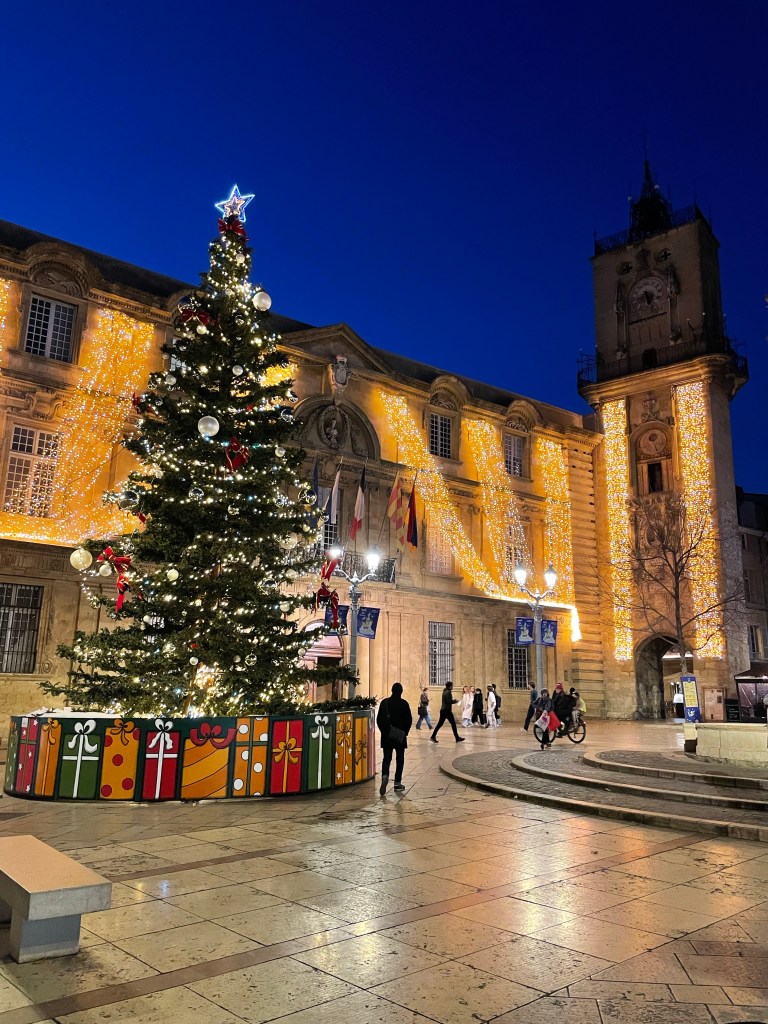
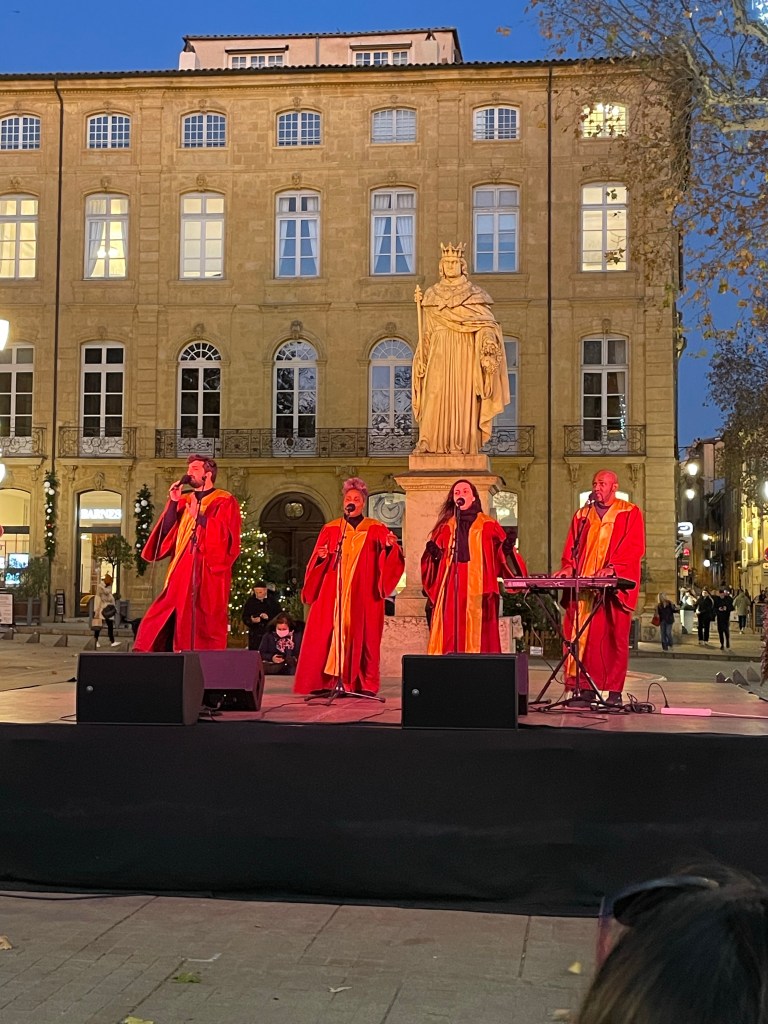
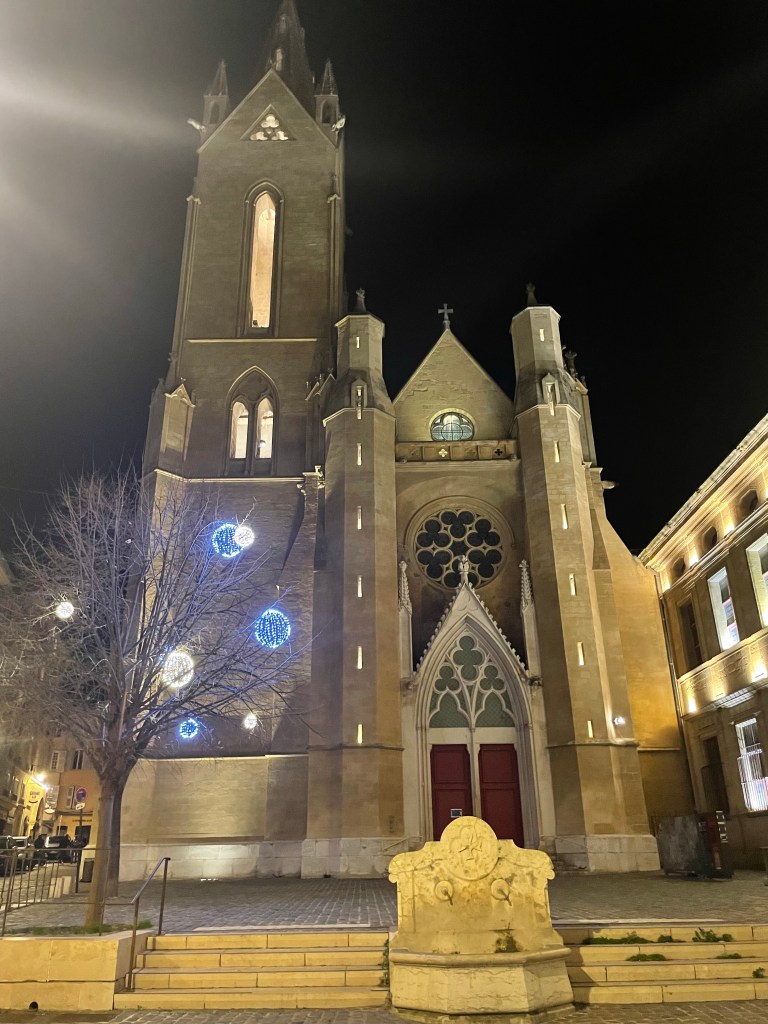
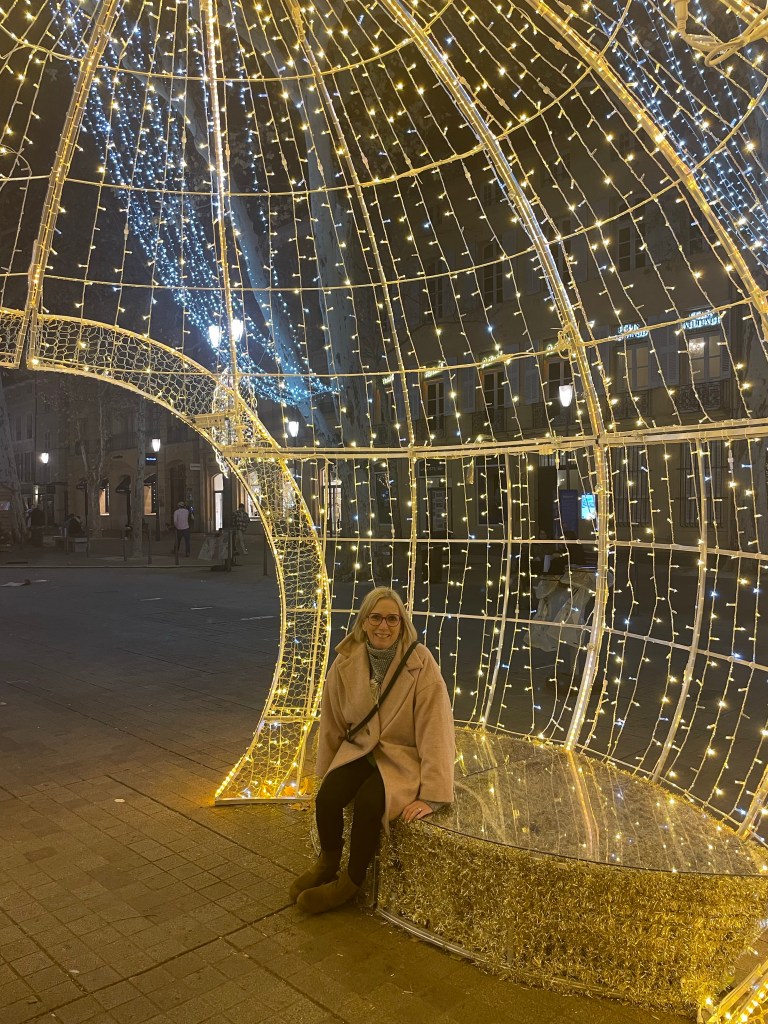
We are in Aix-en-Provence for Christmas. The AirB&B looks grand.

Aix looks very Christmassy – it feels like being in Love Actually.
We even bumped into a choir.
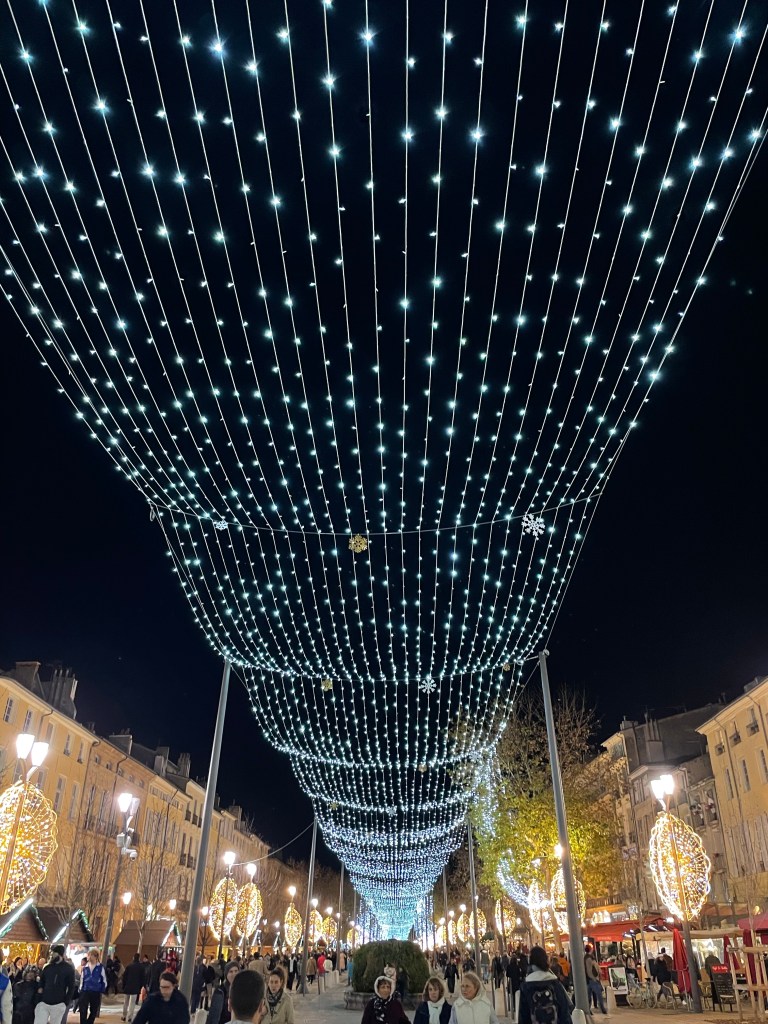
And the Aix-mas lights were impressive.
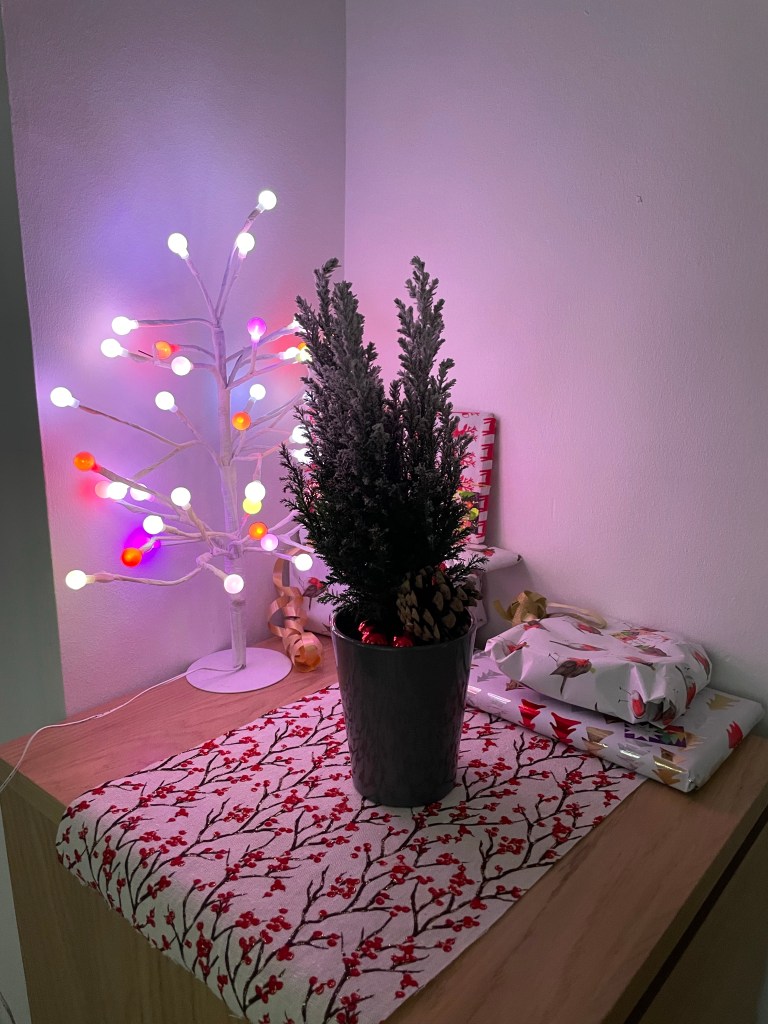
It’s nearly Christmas so it can only mean one thing – the chocolate shops of Lyon are doing a roaring trade.

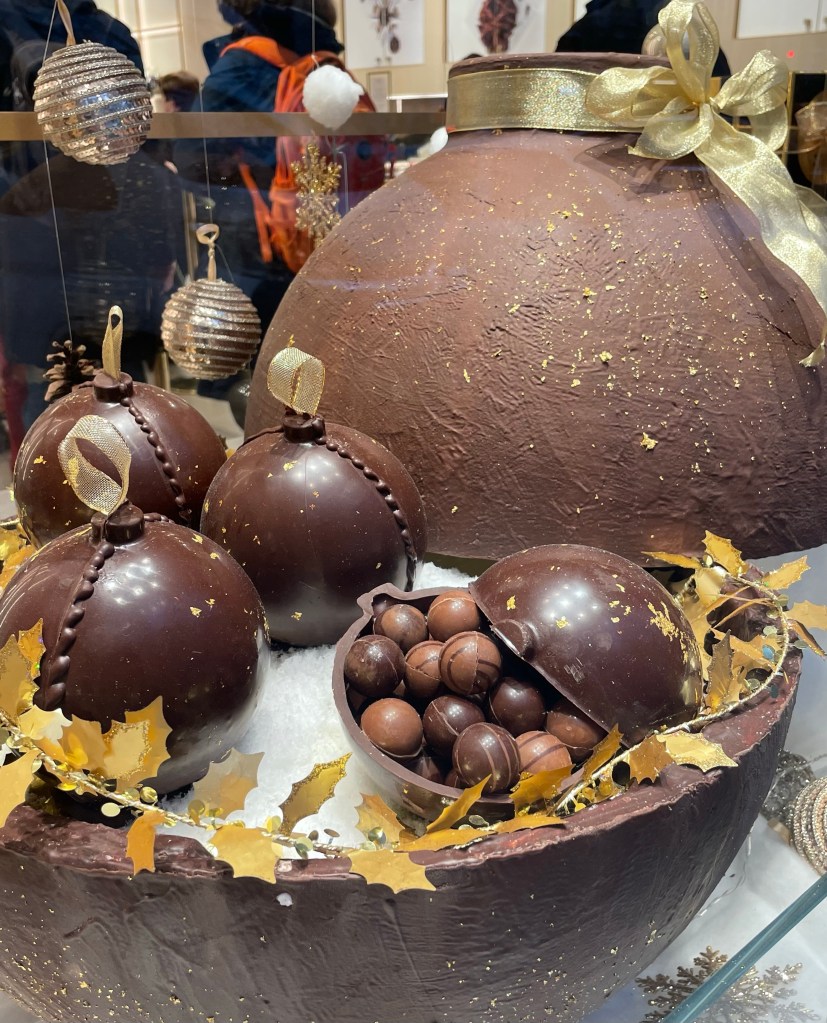
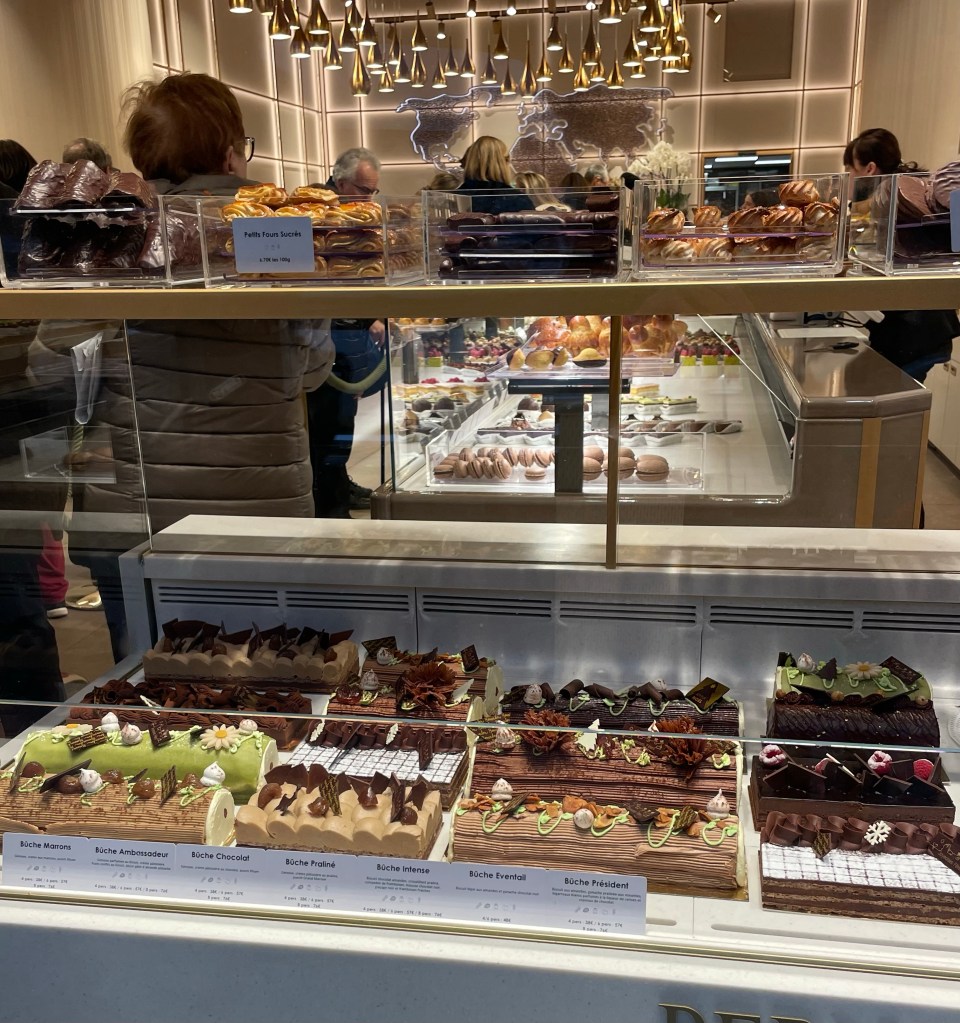
Which means there is a bit of a queue to get in.
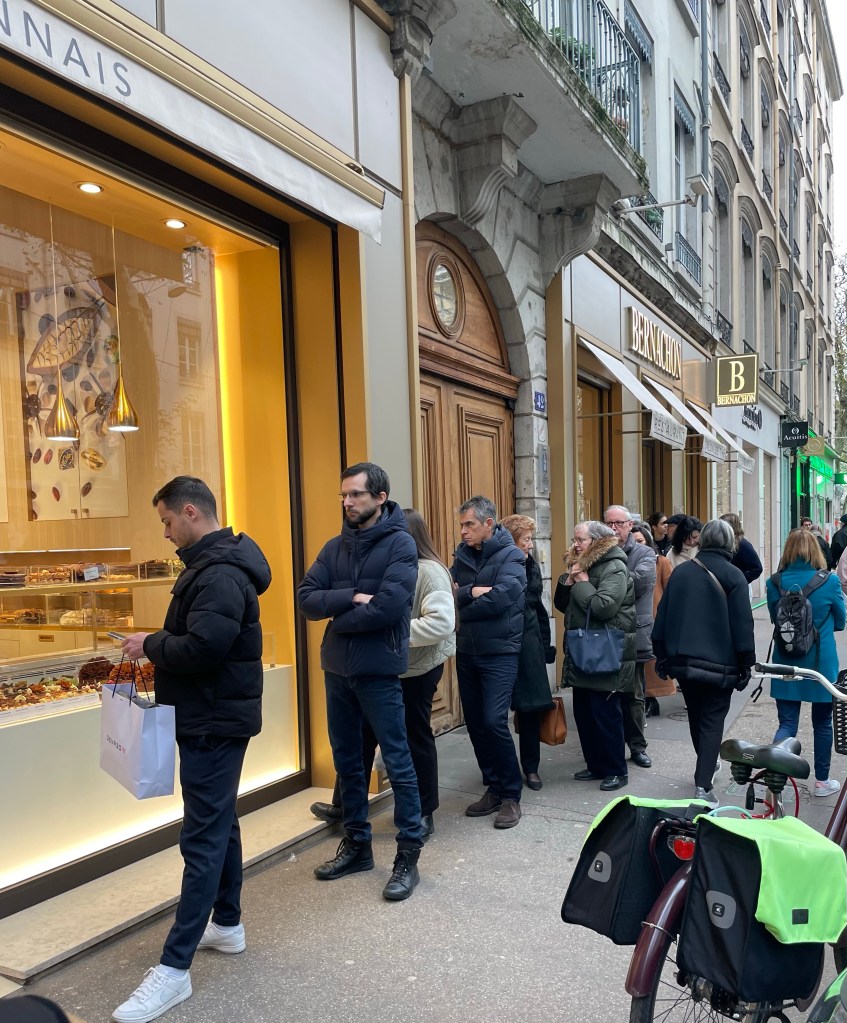
There are other chocolate shops in Lyon – so many chocolate shops.

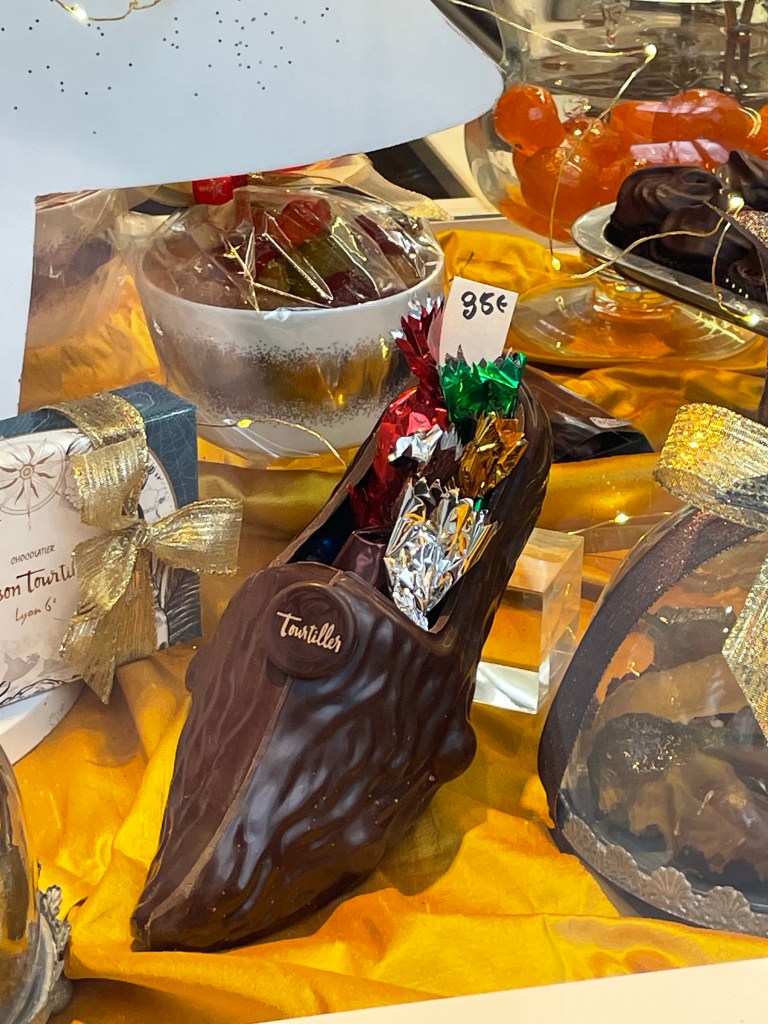
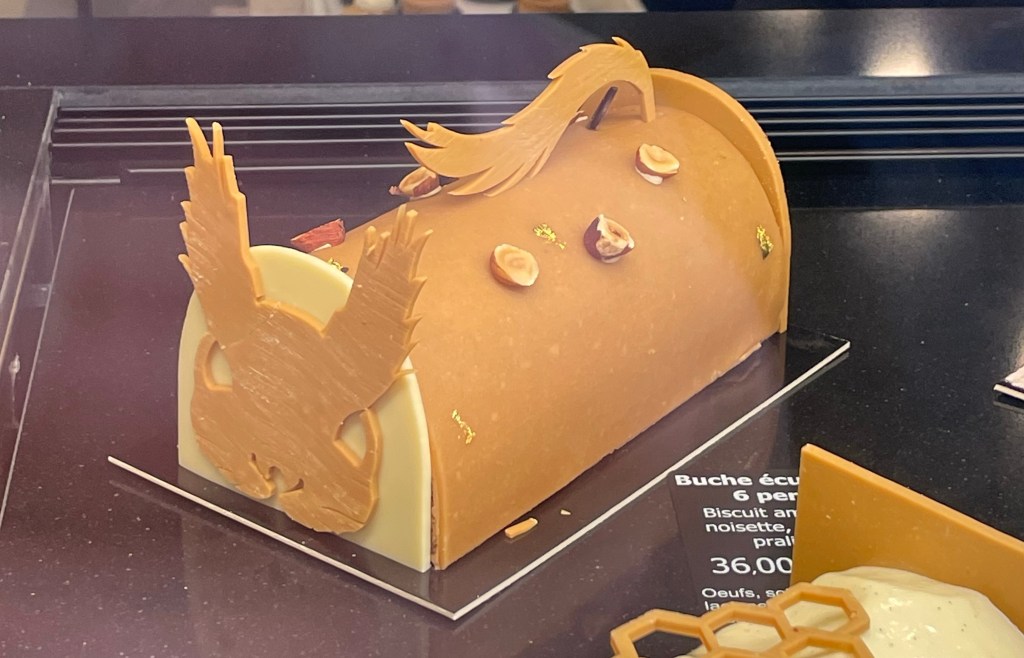
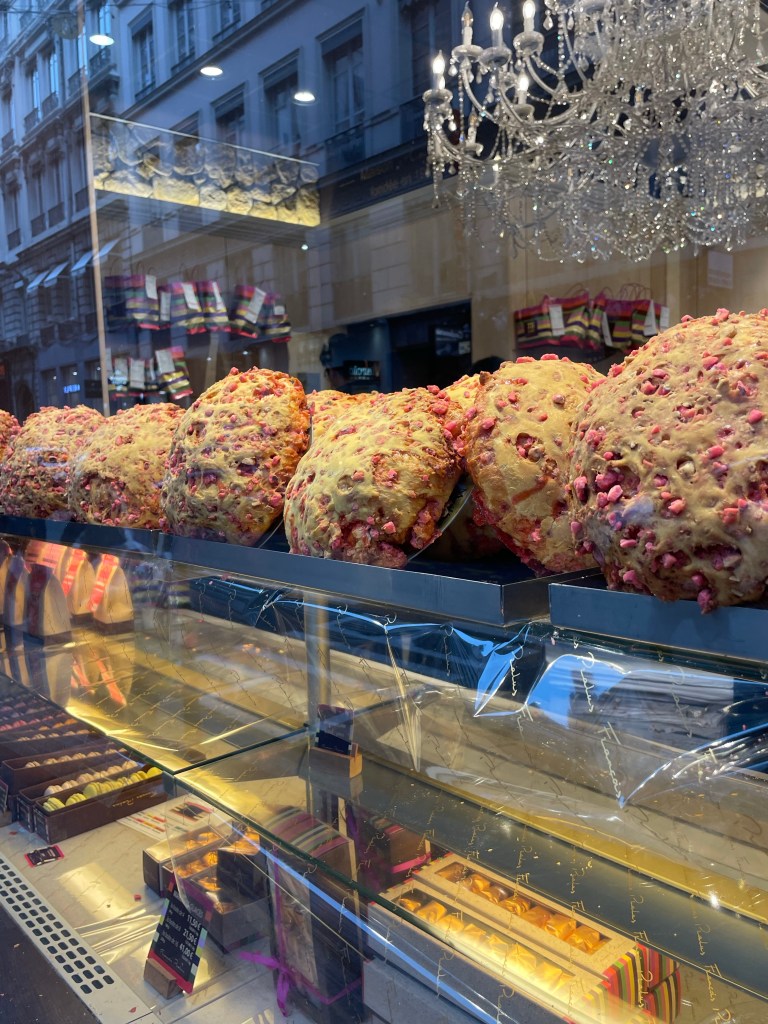
These are obviously popular because there was another queue.

But there is so much choice. So much.
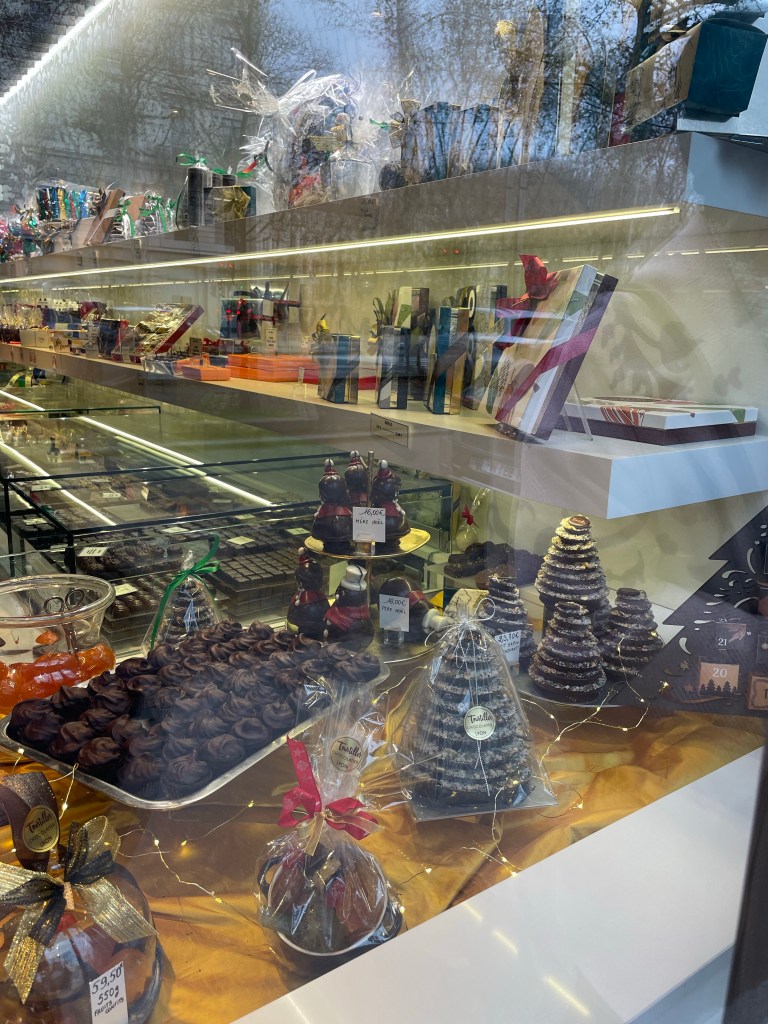


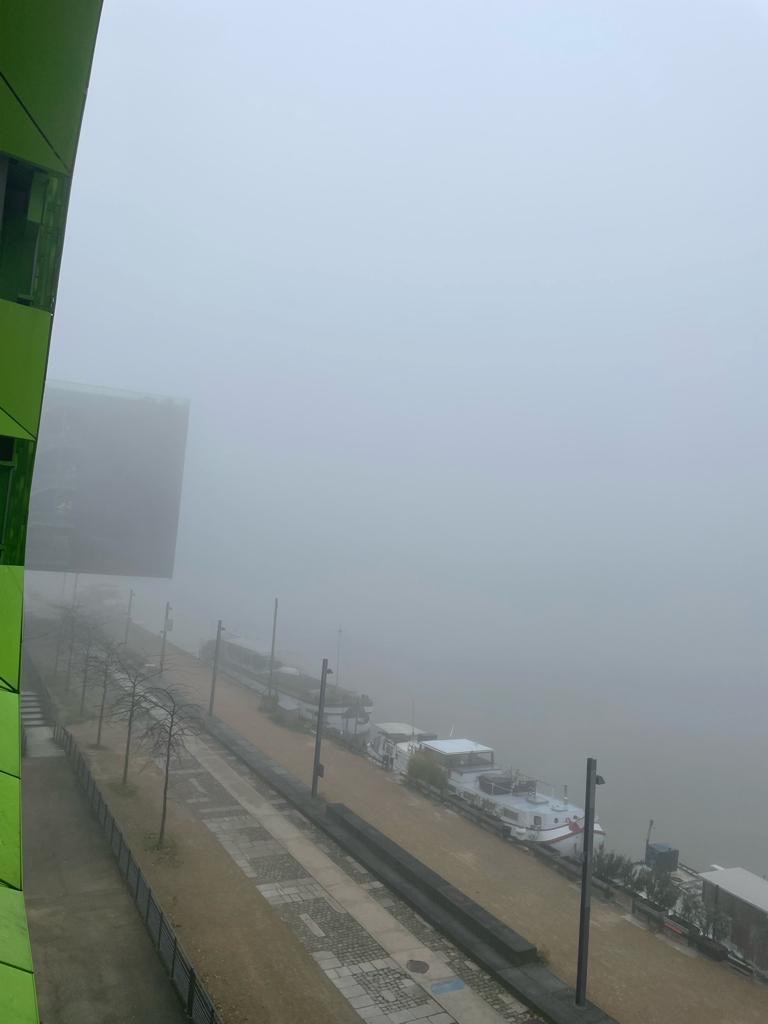
Il y a de la brume ce matin. On ne peut pas voir La Saône du mon bureau.
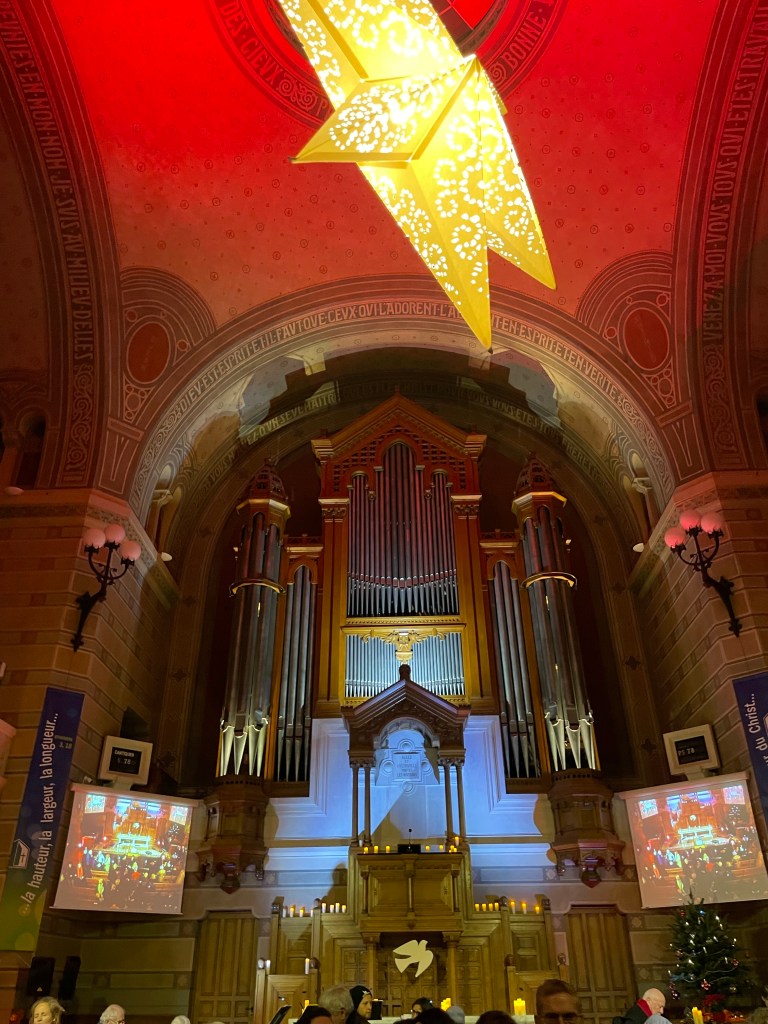
Last year we took in a Christmas concert at the Basilique Saint Bonaventure.
This year it sold out very quickly so we tried something diffferent – a Neapolitan Christmas at L’Hostel Dieu.
It was a lovely setting for some pre-Christmas music.
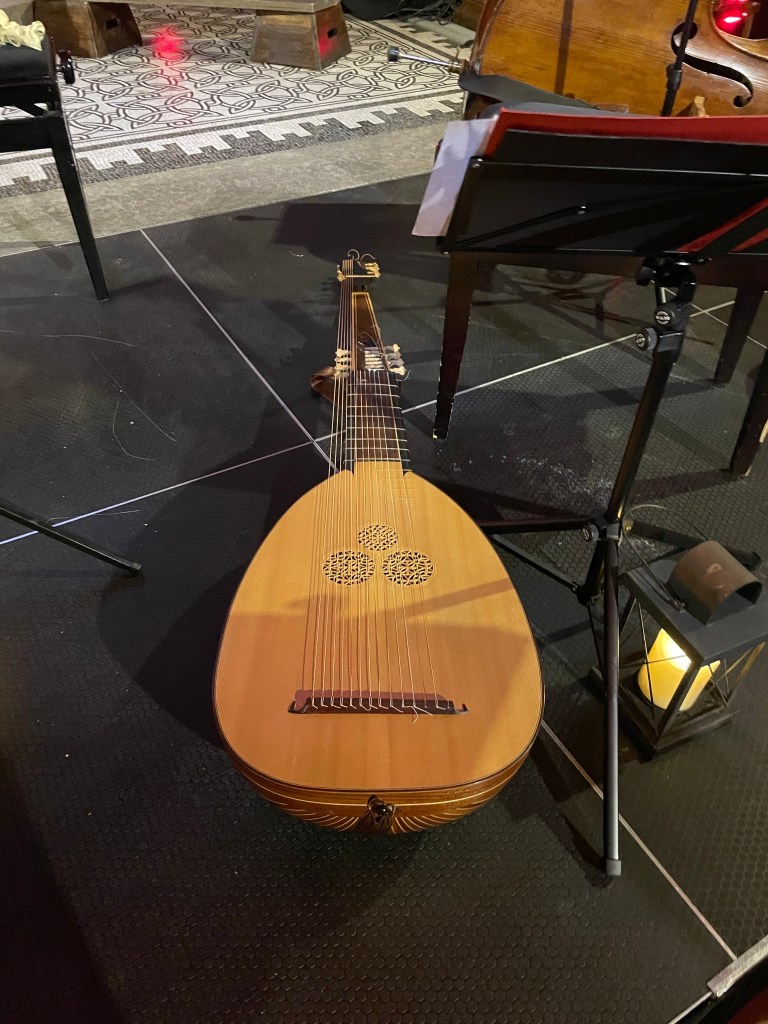
Featuring the soprano Heather Newhouse and the Mandolin player Vincent Beer-Demander (I bet he likes a drink) it was an amazing evening of Christmas music, vigorous tarentellas, unusual instruments and fun.


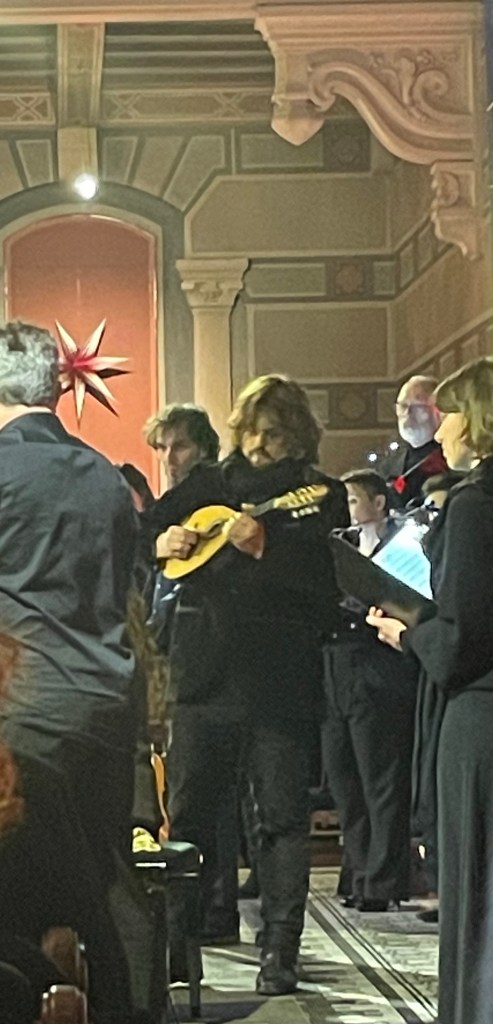
The audience gave the musicians and choir an extended ovation at the end so we were treated to an encore.
I was hoping Beer-Demander might give us a bit of Maggie May but no such luck.
As I was walking down Avenue du Maréchal-de-Saxe you’ll never guess who I bumped into.
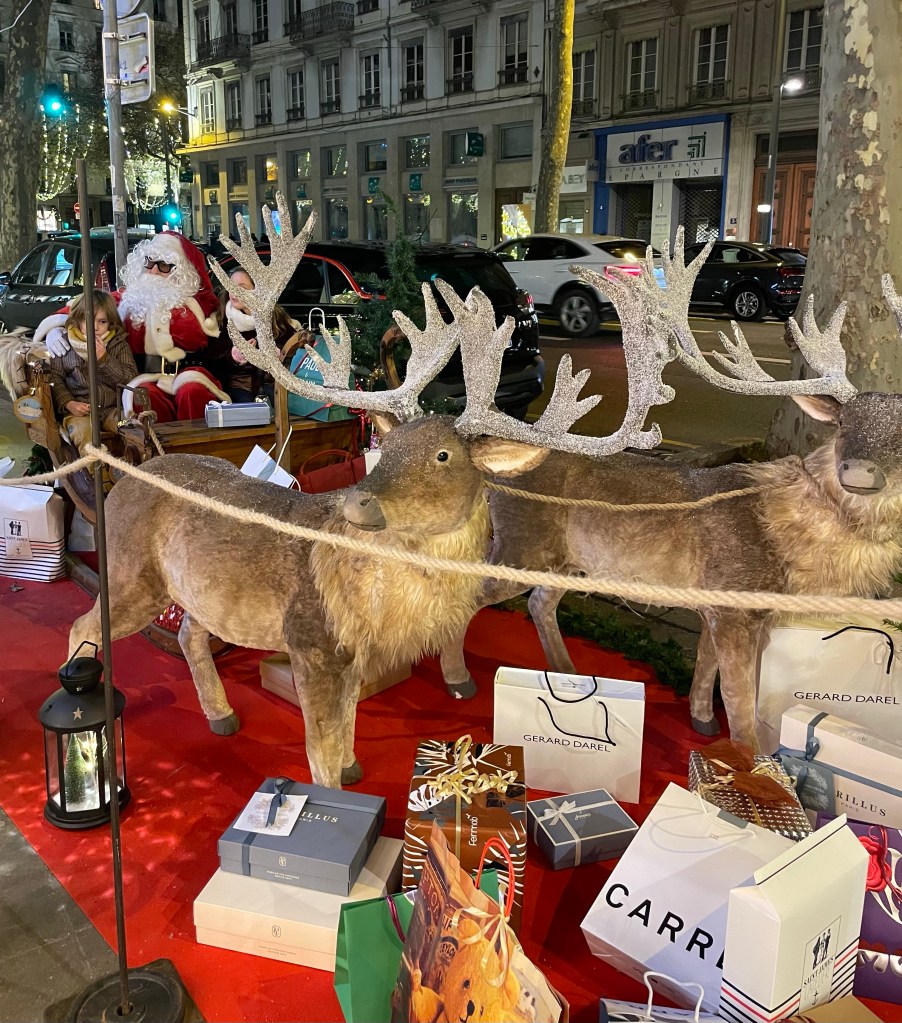
Father Christmas was there with a couple of rennes and a couple of petites filles.
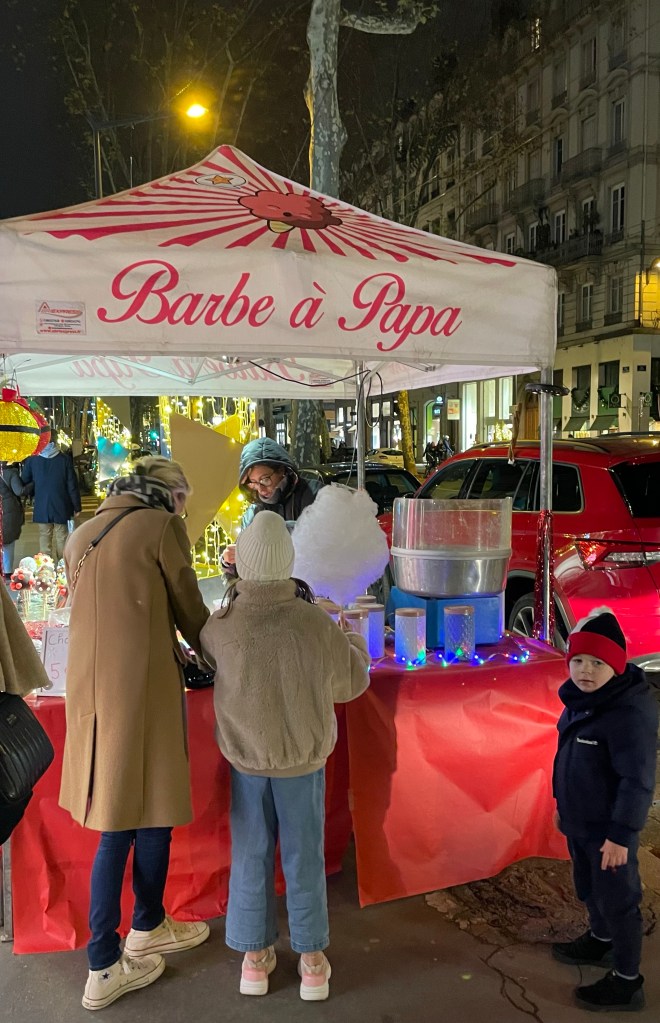
The road had a real Christmassy feel. Not much further along the road was a stall selling la barbe à papa.
Even Cath’s nails were getting in on the act.

 Thrown to (the) Lyon